
German GDP fails to grow in third quarter as economic woes continue
- By DPA Service -
- Oct 30, 2025


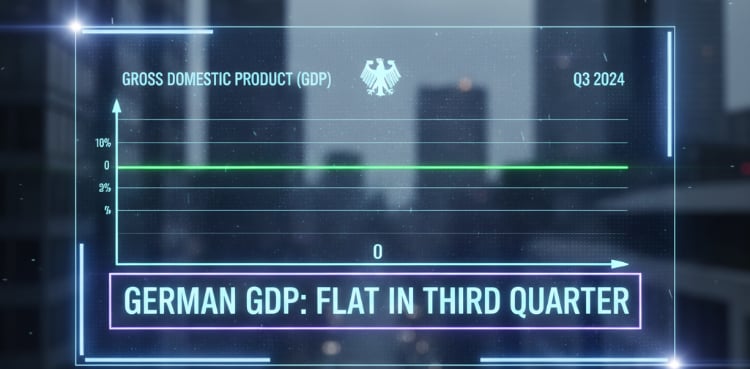
German gross domestic product (GDP) was flat in the third quarter compared to the previous three-month period, the country’s statistical office said in a flash estimate on Thursday, putting a damper on hopes for growth yet again.
While the figure was an improvement on the 0.2% slowdown seen in the second quarter, an upswing is not yet in sight following two consecutive years of recession.
The latest quarterly result will further increase pressure on Chancellor Friedrich Merz’s government to turn the ailing economy around.
For 2025 as a whole, leading economists expect the economy to grow by 0.2%, partially thanks to a minor rebound seen in the first quarter, when GDP grew by 0.3%.
Real growth not before 2026?
Weak demand in important sectors including the car and chemical industries is weighing on the German economy, alongside new US tariffs which have begun to stifle exports.
Meanwhile, consumers are also holding back on spending and the recovery in construction is not picking up speed. Structural problems such as high energy prices and what businesses have described as excessive levels of red tape are also contributing to the economy’s poor performance.
According to economists, the German economy is not expected to pick up pace until 2026, with billions of euros to be invested in infrastructure such as roads and railways as well as in defence.
While the German government expects GDP to rise by 1.3% in 2026, the International Monetary Fund is only forecasting growth of 0.9%.
Later on Thursday, the statistical authorities plan to reveal how inflation has developed in October. In September, consumer prices were 2.4% higher than a year earlier.
Above-average prices for services and rising food prices have driven up the inflation rate in recent months.
Minister stresses need for further reforms
According to the official figures, investment in equipment such as machinery and vehicles grew in the three months from July to September. However, exports declined compared with the previous quarter.
The German economy is yet to pick up steam, said Commerzbank chief economist Jörg Krämer, adding that he believes the government’s spending plans will only manage to achieve growth next year, “but this will not be sustainable due to the lack of reforms.”
Economy Minister Katherina Reiche also stressed the need for structural changes to boost the economy long-term.
“Now we must reform the social welfare systems, significantly reduce bureaucracy, make supply chains more resilient, expand the labour supply and ensure sustainable public finances,” she said, vowing that the government would continue to work to achieve those aims.
The lack of economic growth in the third quarter reflects the continued “structural weakness” of the German economy, she said.
“Although the recent upturn in sentiment indicators points to a slight economic recovery at the turn of the year, the risks remain high – particularly due to ongoing trade policy uncertainties and the threat of supply bottlenecks for semiconductors and rare earths.”
Pointing to first steps taken by her administration to boost competitiveness and growth, including changes to the pension and unemployment benefits system, as well as measures to bring down energy prices, Reiche said more needed to be done to achieve sustainable growth.