
Gold prices today in Pakistan — April 15, 2026
- By Web Desk -
- Apr 15, 2026


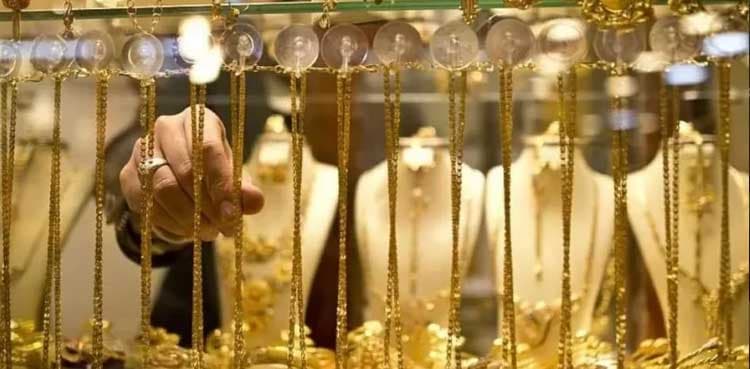
KARACHI: Gold prices in Pakistan rose on Wednesday, April 15, 2026, in line with trends in the global bullion market amid geopolitical developments.
In the local market, the price of 24-karat gold per tola increased by Rs 3,500, settling at Rs 503,462 compared to Rs 499,962 on the previous trading day, according to rates issued by the All Pakistan Sarafa Gems and Jewellers Association.
Similarly, the price of 10 grams of 24-karat gold climbed by Rs 3,001 to Rs 431,637, up from Rs 428,636. Meanwhile, 10 grams of 22-karat gold rose by Rs 2,751 to Rs 395,681, compared to Rs 392,930 a day earlier.
In the international market, gold prices increased by $35 per ounce, reaching $4,811 from $4,776.
Silver prices also recorded gains in both local and global markets. The price of silver per tola rose by Rs 144 to Rs 8,404, up from Rs 8,260, while the rate for 10 grams increased by Rs 124 to Rs 7,205 from Rs 7,081.
Globally, silver prices climbed by $1.44 per ounce to $79.20, compared to $77.76.
Market analysts attributed the upward trend to evolving geopolitical dynamics and ongoing diplomatic developments, particularly involving the United States and Iran, as efforts toward de-escalation continue.
SILVER RATE – DAILY UPDATES
Pakistan, which has been facilitating dialogue between Washington and Tehran, is pushing for a permanent ceasefire to support sustained diplomatic engagement.
Despite short-term fluctuations, experts remain optimistic about gold’s long-term outlook, citing its status as a safe-haven asset during periods of economic and political uncertainty.
They emphasized that gold’s intrinsic value, limited supply, and independence from government policies make it a reliable hedge against inflation, currency depreciation, and market volatility.
Historically, geopolitical tensions and financial instability have driven investors toward bullion and away from riskier assets such as equities and speculative currencies.
Gold continues to serve not only as an ornamental asset but also as a financial safeguard, with demand typically increasing during periods of global uncertainty.