
ICC Judge Sanctioned by US Over Netanyahu Arrest Warrant Remains Defiant
- By Web Desk -
- Jul 23, 2026


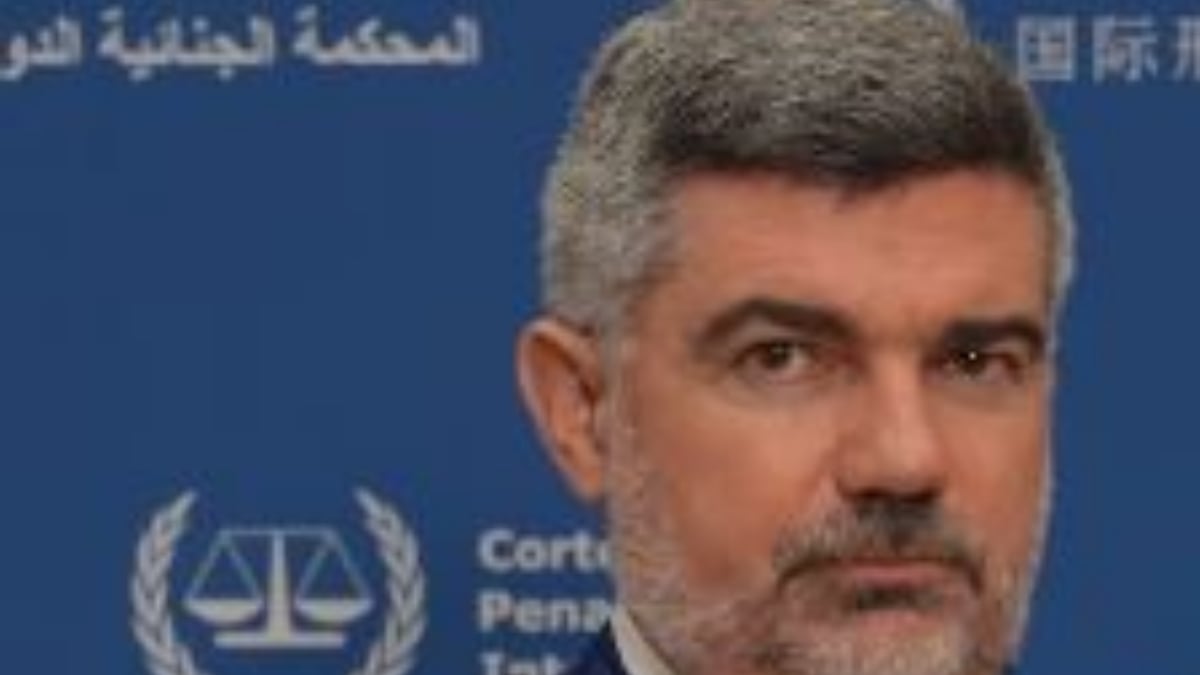
A senior judge at the International Criminal Court (ICC) has revealed the personal toll of US sanctions imposed on him for his involvement in approving an arrest warrant for Israeli Prime Minister Benjamin Netanyahu.
In an interview with Deutsche Welle (DW), French Judge Nicolas Guillou described how the measures have severely restricted his daily life, comparing it to living in the pre-digital 1990s.
Guillou, one of several ICC judges blacklisted by the United States in February 2025, said the sanctions have blocked access to basic services.
“I can’t use my bank cards or book a holiday online,” he told DW. He explained that platforms like Airbnb, Booking.com, and Expedia cancel his reservations, while major credit cards — Visa, Mastercard, and American Express — are largely unusable due to US restrictions.
“In this sanctions list, you have terrorists from Al-Qaeda, from Daesh, and international drug traffickers,” Guillou noted. “And in the middle of that now you have the judges of the International Criminal Court.”
The sanctions also impose a travel ban to the US and freeze any potential assets there, with US persons and companies prohibited from providing services to those listed.
The measures stem from the ICC’s November 2024 decision, in which Guillou sat on a panel that found reasonable grounds to believe Netanyahu, former Defense Minister Yoav Gallant, and a Hamas commander held criminal responsibility for alleged war crimes and crimes against humanity committed in Gaza between October 2023 and May 2024. The charges included starvation as a method of warfare, murder, persecution, and other inhumane acts.
The US administration under President Donald Trump condemned the warrants, arguing the ICC lacks jurisdiction over Israel (a non-member state) and warning that the move could expose American military personnel to similar actions.
Despite the pressure, Guillou told DW he remains steadfast in his commitment to international justice. “When I joined the court, I knew that it was not going to be easy… When you attack the institutions that are supposed to protect the weakest on this planet, you reinforce the law of the strongest and the law of the richest to the detriment of the law, full stop.”
He added a note of resilience about adapting to the restrictions: “The beauty of being older than the yoga generation is that you lived in a time where the tools that we have today didn’t exist. I was a student in the ’90s. There was no cell phone. There was no internet. I was perfectly happy.”