
IMF 'presses' Pakistan for tight fiscal measures ahead of FY2026-27 budget
- By Shoaib Nizami -
- May 05, 2026


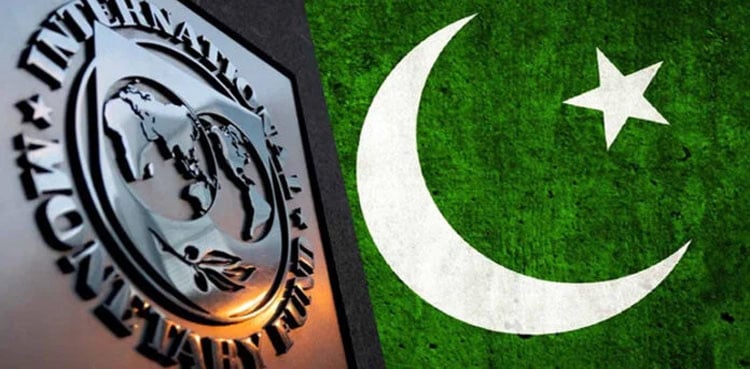
The International Monetary Fund (IMF) is reportedly putting pressure on the government of Pakistan to take strict economic decisions in the FY2026-27, ARY News reported on Tuesday, citing sources.
As per details shared by sources with ARY News, the IMF has demanded that tax exemptions and concessions be further reduced in the next budget. It has also urged Pakistan to avoid long-term subsidies on petroleum products.
Sources said the Fund stressed that timely adjustment of fuel prices is essential to avoid financial strain, particularly amid rising regional tensions.
The IMF has also called for the prompt implementation of recommendations by NEPRA and OGRA regarding electricity and gas tariffs, the sources said and added that officials said that negotiations between the government and the IMF are ongoing to set key targets for the next budget, with expectations of strict fiscal measures in fiscal year 2027.
These measures are expected to include broadening the tax base, reducing sales tax exemptions, and controlling public expenditure. The government’s aim is to further increase the tax-to-GDP ratio.
The Federal Board of Revenue’s tax target for the upcoming fiscal year could be around Rs15.5 trillion, sources added.
The IMF has also projected an improvement in Pakistan’s economy in the next fiscal year, with investment and exports expected to play a key role in growth. However, it warned that rising energy and food prices could push inflation beyond targets by the end of the current fiscal year.
The Fund noted that while Pakistan’s economy is showing signs of improvement, global and regional uncertainties continue to pose risks.
According to IMF assessments citing sources, industrial activity in fiscal year 2026 has shown strong growth, with sectors such as automobiles, construction, and garments contributing significantly.
Inflation has increased in recent months but remains within the State Bank’s target range, the IMF said. External sector indicators show mixed trends, though remittances and foreign exchange reserves rose to $16.3 billion by February 2026.
The IMF also warned that the Middle East conflict has driven up global oil and commodity prices and may further affect Pakistan by increasing inflation, slowing growth, and widening pressure on the current account.
Government estimates suggest GDP growth in fiscal year 2026 is expected to remain between 4 and 4.5 per cent, with a current account surplus target of 1.6 per cent of GDP. Officials said the Federal Board of Revenue missed its revenue targets this year, with the shortfall partially covered through petroleum levy, provincial revenues, and spending cuts.
The government has announced further tightening measures, including improved recovery of outstanding taxes following court decisions, which could generate an additional Rs322 billion.
Efforts are also underway to reduce unnecessary expenditure, limit subsidies, and control public spending, while temporary relief measures have been introduced due to global oil price volatility.