
IMF 'pushes' Pakistan for Rs500bln in additional taxes ahead of budget 2026-27
- By Shoaib Nizami -
- May 18, 2026


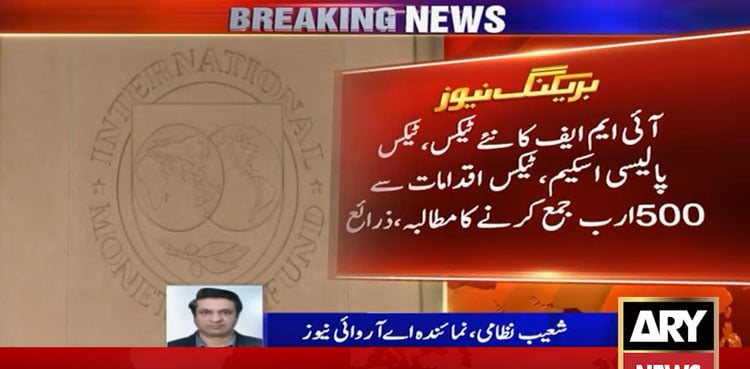
ISLAMABAD: The International Monetary Fund (IMF) has asked Pakistan to generate an additional Rs500 billion through new taxes, as negotiations have entered the final round over the federal budget for the next fiscal year, ARY News reported on Monday, citing sources.
Sources said the Federal Board of Revenue (FBR) plans to fully implement a digital invoicing system during the 2026–27 fiscal year, with authorities estimating the mechanism could generate around Rs100 billion in additional revenue.
From 1 July 2026, only digitally issued invoices will be considered valid, officials said.
The Pakistan government is also expected to widen the distinction between tax filers and non-filers in the upcoming fiscal year. The IMF has reportedly directed authorities to compile comprehensive data on non-filers and bring them into the tax net through digital banking mechanisms.
Officials said banking data would be used more effectively to identify non-compliant individuals and under-taxed sectors, while the FBR is also expected to review online banking records to improve tax collection.
Despite pressure from the business and industrial sectors, the government is unlikely to abolish the super tax in the forthcoming budget. However, sources said officials are considering a phased withdrawal of the levy over the next three years.
A final decision has yet to be taken on the proposed abolition of Capital Value Tax on foreign assets. The tax, introduced in the 2022 fiscal year, currently requires taxpayers to pay one per cent annually on overseas assets.
IMF projects 3.6% growth for Pakistan in FY2026-27
Authorities are also expected to retain tax on inter-corporate dividends in the next fiscal year.
Meanwhile, the IMF has reportedly agreed to an FBR proposal to expand the Third Schedule of the Sales Tax Act to include additional everyday consumer goods, a move expected to generate another Rs100 billion in revenue.
Products likely to be added include infant formula milk, dairy items, cooking oil and other essential goods.
Officials also revealed plans to introduce a simplified taxation scheme for retailers and shopkeepers. The new system is expected to generate around Rs100 billion in the next fiscal year and would apply to retailers with an annual turnover between Rs200 million and Rs250 million.
Under the proposal, tax liability would be determined on the basis of electricity bills, while Tier-1 retailers would remain outside the scope of the scheme.