
German inflation soars to 2.7% in March as Iran war drives up prices
- By DPA Service -
- Mar 30, 2026


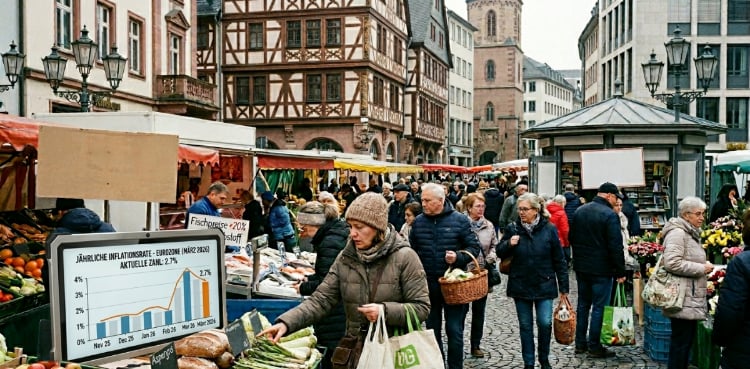
German inflation soared to a two-year high of 2.7% in March as a result of surging oil prices due to the war in Iran, the Federal Statistical Office said on Monday.
The preliminary figures showed inflation climbing from 1.9% in February to the highest level since the 2.9% recorded in January 2024.
Energy prices were the main driver of the rising rate of inflation, accelerating by 7.2% compared to March 2025.
Services were 3.2% higher, while food prices rose 0.9%, the data showed.
Month on month, prices rose 1.1% in total, the Wiesbaden-based agency said.
“The rise in inflation in March is only the beginning,” said Jörg Krämer, chief economist at Commerzbank. “Higher energy costs will eat their way through the supply chains in the coming months, unless the war ends quickly.”
Inflation was expected to remain around the European Central Bank’s 2% target this year in Germany, but the conflict launched by Israel and the United States against Iran on February 28 has changed the picture.
Iran’s blockade of the Strait of Hormuz and attacks on infrastructure in The Gulf on both sides have caused oil prices to surge beyond $100 a barrel, translating to prices above €2 ($2.30) per litre at the pump in Germany.
Deutsche Bank has forecast annual inflation to hit 2.7%, while the Bundesbank – Germany’s central bank – recently warned that the rate could rise to 3% “in the near future.”
The rise in prices has awakened fresh memories of the inflationary spiral seen in Germany following Russia’s invasion of Ukraine in February 2022.
Annual inflation soared to 6.9% in 2022 and remained at 5.9% in 2023 before declining to 2.2% in the past two years.
A YouGov survey found that nine in 10 residents of Germany believe food prices will rise as a result of the Iran war, which shows no sign of ending as US President Donald Trump escalates his threats if no ceasefire is reached.
Economists believe the oil price shock will have a knock-on effect across the wider global economy. Rising production and transport costs could push up prices for food, restaurant meals and services.
Higher costs are also expected in the construction sector, while higher fertilizer prices are putting a strain on farmers.