
Iranian Rial Rate Today in Pakistan- April 23, 2026
- By Fahad Ali -
- Apr 23, 2026


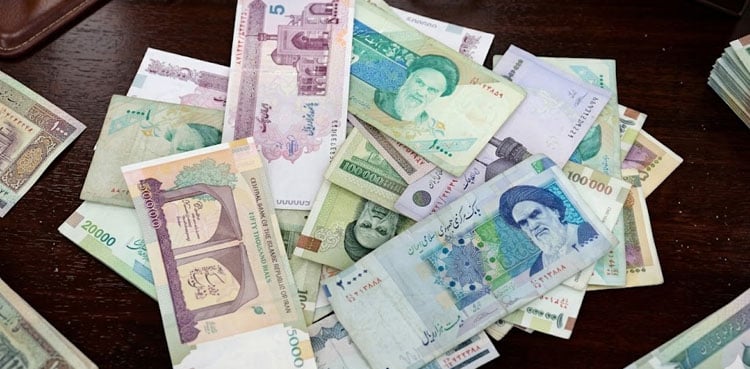
KARACHI: The Iranian rial continues to trade at a significant premium in Pakistan’s informal currency markets relative to international benchmark rates, driven by sustained demand from cross-border trade channels and localized speculative activity.
Verified open-market quotations from licensed exchange networks in Karachi, Quetta, and Lahore indicate that physical rial notes are currently changing hands at approximately PKR 8,000–10,000 per crore rials (10,000,000 IRR), reflecting a structural divergence from globally referenced mid-market rates
Pakistan Open Market Rate – Informal Cash Trading
|
PKR Amount
|
IRR Equivalent
|
|---|---|
|
1 PKR
|
~1,000 IRR
|
|
10 PKR
|
~10,000 IRR
|
|
1,000 PKR
|
~1,000,000 IRR
|
|
10,000 PKR
|
~10,000,000 IRR
|
|
1 Crore IRR (10M)
|
PKR 8,000–10,000
|
Authentic Exchange Rates
|
PKR Amount
|
IRR Equivalent (Official Benchmark)
|
|---|---|
|
1 PKR
|
4,738 IRR
|
|
10 PKR
|
47,384 IRR
|
|
1,000 PKR
|
4,738,430 IRR
|
|
10,000 PKR
|
47,384,300 IRR
|
|
1 Crore IRR (10M)
|
~PKR 2,113
|
Weekly Movement Summary
|
Metric
|
Value
|
|---|---|
|
Open Market Rate (1 Crore IRR)
|
PKR 8,000–10,000 (April 23)
|
|
Prior Week Range
|
PKR 6,500–8,500
|
|
Weekly Change
|
+15% to +25%
|
|
Daily Trading Volume (Est.)
|
$4–6 million equivalent
|
|
Primary Demand Drivers
|
Border trade settlements, speculative positioning, remittance flows
|
Practical Considerations for Market Participants
For those navigating this complex landscape, several principles warrant careful attention. First and foremost, verification remains paramount: rates quoted in informal markets can vary significantly between dealers, cities, and even individual transactions based on volume and relationship dynamics. Engaging only with registered exchange companies that maintain transparency regarding fees and settlement terms helps mitigate risks associated with counterfeit currency or unfavorable pricing. Second, participants should maintain clear distinction between investment speculation and genuine trade requirements; while the former carries inherent uncertainty, the latter serves a functional economic purpose that may justify premium pricing under specific circumstances.
Regulatory awareness constitutes another essential dimension. The State Bank of Pakistan does not officially recognize or regulate trading in Iranian rials within domestic markets, meaning that transactions conducted outside authorized channels operate in a legal gray area with limited recourse in the event of dispute or loss. Individuals considering substantial exposure to rial-denominated positions are therefore well-advised to consult qualified financial professionals who can assess personal risk tolerance, liquidity needs, and alignment with broader financial objectives.