
Iranian Rial Rate Today in Pakistan- April 28, 2026
- By Fahad Ali -
- Apr 28, 2026


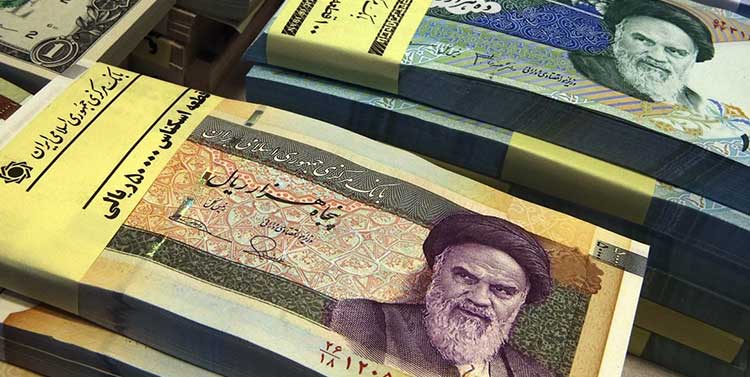
KARACHI- The Iranian rial (IRR) continues to generate significant buzz in Pakistan’s informal open currency market as of Tuesday, April 28, 2026, with steady demand keeping the local premium strong.
Currency dealers in Karachi, Quetta, and Lahore report that a standard bundle of 1 crore Iranian rials (10 million IRR) is currently trading in the range of PKR 8,000 to PKR 10,000 in the cash market. This remains roughly three to four times higher than the pre-surge baseline of around PKR 2,500, even as the rial trades weak on global benchmarks.
Current Rates – as of April 28, 2026 –
Rates fluctuate depending on the dealer, location, and transaction size — always confirm with registered exchange companies for the latest live quotes.
Open Market (Informal Cash Market in Pakistan – Premium Bundle Rate) (Approx. based on PKR 8,000–10,000 for 1 crore / 10 million IRR)
- 1 PKR buys approximately 1,000 Iranian rials
- 10 PKR buys approximately 10,000 Iranian rials
- 1,000 PKR buys approximately 1,000,000 Iranian rials (10 lakh rials)
- 1 crore IRR costs approximately PKR 8,000–10,000
Authentic / Mid-Market Rate (International benchmark / official conversion rate – no local premium) (Approx. 1 PKR ≈ 4,720–4,730 Iranian rials)
- 1 PKR buys approximately 4,725 Iranian rials
- 10 PKR buys approximately 47,250 Iranian rials
- 1,000 PKR buys approximately 4,725,000 Iranian rials (approx. 47.25 lakh rials) (Equivalent: 1 crore IRR ≈ PKR 2,110–2,120)
Why people are still buying the Iranian rial in Pakistan
Demand remains driven by two main factors:
- Speculation and investment: Traders and individuals continue to purchase rials hoping for further appreciation tied to potential US-Iran diplomatic progress, sanctions relief expectations, or other geopolitical shifts that could strengthen the currency in the longer term. Many view it as a short-term profit opportunity in the current regional climate.
- Cross-border trade needs: There is sustained genuine demand from informal and semi-official trade with Iran, especially for petroleum products, fuel, food items, and other goods moving through the Balochistan border routes. Recent easing of transit and export rules has supported this activity, where physical rial notes are required for cash-based settlements.
Market experts caution that while the local premium creates trading opportunities, the rial remains highly volatile internationally. Retail buyers should remain cautious of risks such as counterfeit notes and sudden price reversals if trade flows or political developments change.