
Kanye West says 'brain injury' fueled his most controversial years
- By Web Desk -
- Jan 26, 2026


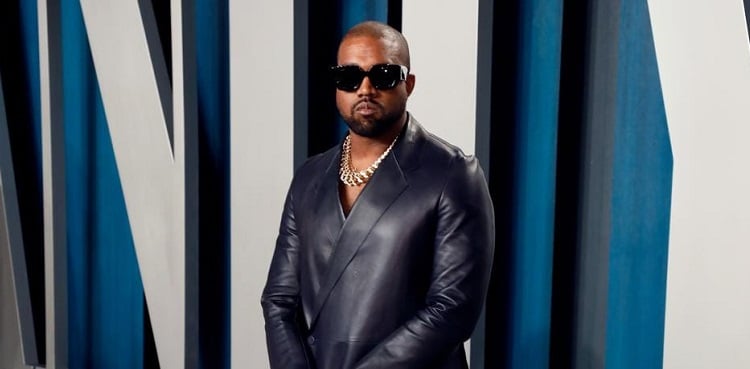
Kanye West, the artist legally known as Ye, has issued his most detailed public apology yet, taking out a full-page advertisement in the Wall Street Journal to address years of antisemitic behavior and the fallout that followed.
This time, the explanation goes deeper than controversy or provocation. West says it all traces back to a head injury he suffered more than two decades ago.
Ye, the rapper and fashion designer, points to a 2002 car crash that left him with a broken jaw and, as he now claims, an undiagnosed injury to the frontal lobe of his brain.
While the physical damage was treated at the time, he says the neurological impact went unnoticed for years, quietly reshaping his mental health.
According to Kanye West, that oversight eventually led to a bipolar type-1 diagnosis, formally made in 2016 but only fully understood much later. He describes long stretches where he lost touch with reality, made reckless decisions, and spiraled into extreme behavior.
In that state, he gravitated toward shock and destruction, including embracing Nazi imagery, denying the Holocaust, and selling clothing featuring swastikas.
The consequences were swift and severe. His online stores were shut down. Music releases were banned in parts of Europe. His actions were celebrated by extremist figures, a fact that only deepened the backlash.
Kanye West now says those months marked a prolonged manic episode in early 2025 that left his personal and professional life in ruins and pushed him toward suicidal thoughts.
He credits his wife, Bianca Censori, with urging him to finally seek sustained treatment after hitting what he describes as rock bottom. Since then, he says medication, therapy, exercise, and lifestyle changes have helped restore clarity.
He has also found unexpected comfort reading about similar experiences shared by strangers online, realizing how common denial and relapse can be with bipolar disorder.
Kanye West acknowledges the harm done not only to Jewish communities, but also to the Black community and to his own family, particularly those closest to him who endured years of instability. Ye admits his influence magnified the damage, turning personal illness into public chaos.
The apology does not ask for a free pass. Instead, Kanye West frames it as an explanation, an acceptance of responsibility, and a request for time. He says his focus now is on rebuilding, quietly, and channeling his energy into work that no longer thrives on outrage.
Whether forgiveness follows remains uncertain. But for the first time in years, the message is less about defiance and more about reckoning.