
The high cost of saying goodbye to a loved one in Karachi: How soaring burial costs and traditions burden the bereaved
- By Umaima Amir -
- Nov 06, 2025


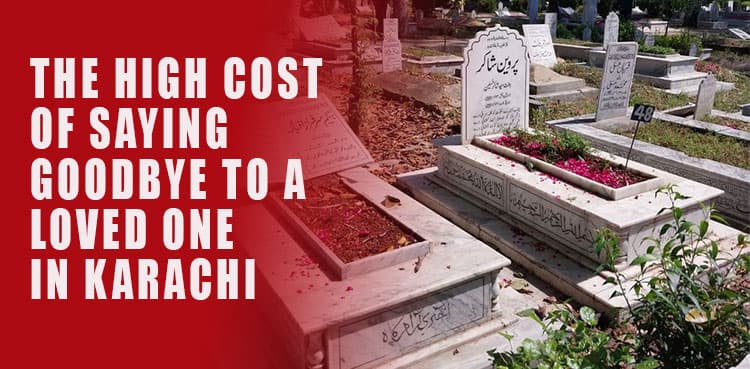
Karachiites go through a constant struggle every day to survive in the city. But unfortunately, the daunting battle even follows them to their graves.
Death of a loved one, which is already a heartbreaking experience, becomes even more traumatic for the people of Karachi, not only emotionally but financially as well.
A twenty-one-year-old Ali, who is a sole earner of his family, detailed the grueling experience when his younger sister passed away of dengue in June, last year.
“It is one of the most traumatic phases of my life. At the time I was already coping with the fact that I couldn’t save my sister and not having enough money to bear her funeral expenses further shattered me into pieces,” he shared.
Soaring burial costs as Karachi runs out of cemetery space
The crippling burial costs and scarce cemetery space in the city of 20 million inflict additional trauma on those, who are already reeling from the loss. Earlier, it was difficult for a person to buy their own land in this city, but now they struggle to secure even a two-yard grave for their loved ones.
The burial expenses can vary depending on the cemetery and services chosen by people themselves. For example, in registered cemeteries, the cemetery fee is fixed. According to City Mayor Barrister Murtaza Wahab Siddiqi, the burial fee of Rs14,300 is fixed for all the cemeteries under Karachi Metropolitan Corporation’s (KMC) management, including the cost for the land, grave excavation, grave blocks, slabs, and all other burial-related services.
But the concerning part is that only 38 graveyards are managed by the KMC out of the city’s nearly 200 burial grounds and most of them are full and are officially closed, including Yasinabad, Model Colony, Qurangi, Paposh Nagar, Society and Mehmoodabad.
On the other hand, in unorganized cemeteries, families often manage the burial and grave arrangements themselves, with no fixed fee. And the biggest dilemma is the lack of regulation in these cemeteries which often leaves families at the mercy of cemetery staff and middlemen, who may demand huge sums for grave and services.
Moreover, the cost also depends on the area where the graveyard is located. If you want a grave in cemetery located in DHA and Tariq Road, it would cost you around 70,000 to Rs 150,000. But, if a person opts for a lower-tier area, the price drops substantially, ranging from Rs 30,000 to Rs 35,000.
One of the major reasons for the scarcity of graves is that people are now buying burial plots in advance – sometimes reserving spaces of their own choice for themselves or their families. This practice further reduces the available cemetery space.
As a result of all these issues, gravediggers sometimes dig new graves over older ones to make money, adding to the crisis.
“People are forced to bury their loved ones in existing graves due to a lack of space. They are also forced to buy graves at exorbitant prices,” Zahid Farooq, a joint director at the nonprofit Urban Resource Center said in an interview to Arab News.
Expenses beyond the grave
The exorbitant grave costs are just the tip of the iceberg for the deceased’s loved ones. The mourning families also bear many other expenses before the burial of their loved ones, including the cost of transporting the body, morgue rent, and more.
In addition to them, the gravediggers also take advantages of the city’s dire situation, with demanding hefty amount for burial.
The Price of Tradition
The expenses burial doesn’t end there. The cultural and social pressures also take a heavy toll on affected families as they are expected to serve lunch or dinner to mourners, who come to offer their condolences.
The families are also obliged to observe various religious rituals for the deceased, such as the third, tenth and Chehlum, which comes with its own separate costs. The financial burden of burial is often too much to bear and leads to debt and further hardship.
When I brought up this issue with my childhood Quran teacher, Qari Muhammad Haneef, he bluntly denied it, leaving me surprised by his strong stance.
“In Islam, condolence is meant to ease the pain of the bereaved, not to add to it. Even our beloved Prophet ﷺ taught us to send food to the grieving, not expect it from them. These gatherings have become customs of culture, not commands of Allah,” he shared
All these issues surrounding burial in Karachi highlight a growing crisis for grieving families. Both the government and the community must work together to make burials affordable and ease social pressures so that families can mourn in peace with dignity.