
Pakistan may import gas and oil from Iran, says Khawaja Asif


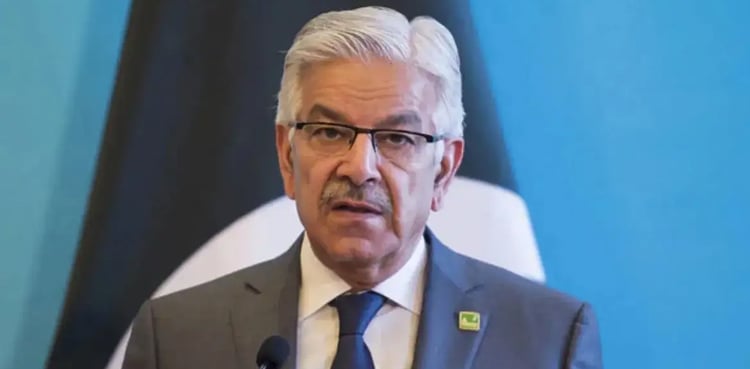
ISLAMABAD: Defence Minister Khawaja Asif on Wednesday indicated the possibility of progress on the long-delayed Iran-Pakistan gas pipeline project, saying that gas and oil imports from Iran could become a reality as bilateral economic and trade relations expand.
Iranian President Dr. Masoud Pezeshkian paid a one-day state visit to Pakistan at the invitation of Prime Minister Shehbaz Sharif, as ties between the two neighboring countries continue to strengthen.
The visit comes amid a marked improvement in Pakistan-Iran relations, with Islamabad’s diplomatic efforts in helping facilitate dialogue between US and Iran widely acknowledged. The high-level engagement is expected to further boost cooperation in trade, energy, and regional connectivity.
Speaking to reporters outside Parliament House, Khawaja Asif said discussions had been held regarding economic and trade cooperation between Pakistan and Iran.
“We can have a gas pipeline from Iran, and oil can also be imported,” Khawaja Asif said, adding that goods transported through land routes would be more affordable and beneficial for consumers on both sides of the border.
He said Pakistan and Iran were exploring opportunities to increase bilateral trade, with both countries expected to import and export a range of products.
According to the defence minister, enhanced economic cooperation would create a mutually beneficial situation for both nations.
Asif expressed confidence that greater trade and economic activity with Iran would contribute to peace and development in Balochistan. He said residents of the province would benefit directly from increased cross-border commerce and economic opportunities.
Pakistan-Iran gas pipeline revival on the cards?
“Trade between Pakistan and Iran is a win-win situation for everyone,” he said, adding that economic development would help address many of the challenges facing the region.
Referring to civil-military cooperation, which he termed a “hybrid system,” Khawaja Asif said he had consistently argued that the arrangement was successful.
He maintained that periods of tension between Islamabad and Rawalpindi had historically harmed Pakistan’s economic, political, and constitutional progress. “The results of the hybrid system are before you today. Pakistan has earned respect and honour,” he said.
Notably, the Iran-Pakistan gas pipeline project has once again emerged as a key topic of discussion amid growing expectations that improved regional diplomacy and any future easing of sanctions on Iran could help revive the long-stalled energy initiative.
Signed in 2009, the pipeline agreement envisages Iran supplying up to one billion cubic feet of natural gas per day to Pakistan over a 25-year period. While Iran completed construction of its section of the pipeline years ago, Pakistan has yet to complete its portion of the project due to sanctions-related concerns and financial challenges.
Analysts believe that any relaxation of restrictions on Iran could provide fresh momentum to the project, which is viewed as a potential solution to Pakistan’s long-term energy needs.