
Krafton sees births double after 100 million won benefit
- By Sher Muhammad -
- May 16, 2026


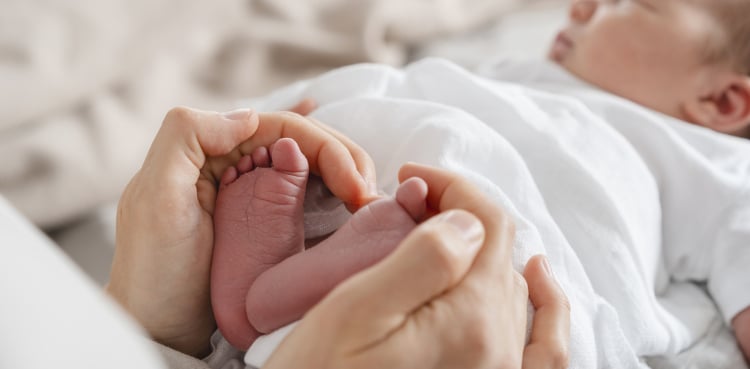
In the initial year of its program, the number of children born to employees at Krafton (259960.KS), which compensates workers up to 100 million won per child for childbirth, nearly doubled.
The game maker on Wednesday released the first-year outcomes of its childbirth and childcare support programs. Krafton reported that 46 infants were born to employees between January and April of this year. This marks a roughly twofold increase from the 21 births recorded during the same period in 2024 and 23 in 2025.
In an effort to combat South Korea’s low birth rate, Krafton launched its birthing and childcare support initiative in February of last year. Workers who become parents receive a lump-sum payment of 60 million won. Following that, they receive an additional 5 million won annually over the next eight years of their employment, bringing the total compensation to 100 million won.
To help employees balance both family and career, the firm has also worked to enhance its workplace environment. To this end, Krafton expanded its non-cash support initiatives and extended parental leave up to two years, which includes automating the hiring procedure for substitute employees during parental leave.
Additionally, Krafton and Seoul National University’s Population Policy Research Center are jointly conducting research to analyze the program’s impact on employee perceptions and organizational culture, alongside determining directions for future expansion and improvement.
The study found that cash-based incentives, such as childbirth and childcare bonuses, acted more as a signal that the company genuinely considers the low birth rate a serious issue rather than serving as the direct cause of childbirth. In fact, 83.4% of the surveyed workers stated they “feel sincerity in the company’s family-friendly message.”
Meanwhile, attitudes regarding childbirth were more directly impacted by non-cash programs. Policies that heavily support flexible working hours and the childcare environment—such as remote work for childcare, extended parental leave, prenatal checkup leave during a spouse’s pregnancy, automatic replacement hiring, and psychological counseling for returning employees—were found to significantly improve employee engagement.
Unmarried workers also reacted favorably, showing increased work engagement driven by these non-cash initiatives. While married employees with children prioritized work-family balance support, married employees without children placed the highest value on trust in the corporate culture.
“We have confirmed that companies can bring about real change when they actively participate in solving social problems,” said Choi Jae-geun, an executive director at Krafton. “We will continue to set an example in corporate social responsibility and maintain a culture where career and family can be pursued together.”