
Kuwait faces shortage of warehouses
- By Web Desk -
- Apr 18, 2026


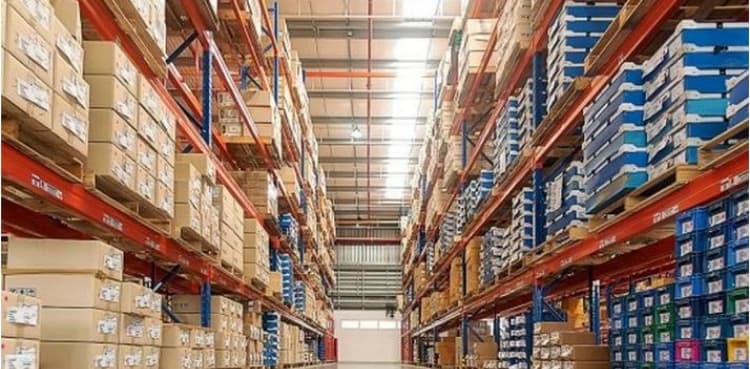
KUWAIT: The warehousing sector in Kuwait is under mounting pressure due to a significant shortage of storage space, according to real estate experts, who expressed concern that the imbalance is driving up costs and exposing broader risks to the economy.
Real estate specialist Fahad Al-Momen said Kuwait’s total storage capacity currently stands at around 21 square kilometers a figure he described as insufficient to meet growing demand. The shortfall has contributed to a sharp rise in both land values and rental rates for warehouses.
He noted that prices for storage plots and rents have doubled in some areas, particularly in Ardiya, since the Covid-19 pandemic.
Rental values have also witnessed a significant increase, especially after the Mangat fire and the subsequent tightening of restrictions on storage in unlicensed locations, such as some investment properties.
Al-Momen said recent Cabinet decisions to identify unused land could help ease the crisis, but added that the market is still waiting for concrete implementation. Expanding designated storage areas, he argued, would help reduce costs, stabilise commodity prices and strengthen Kuwait’s strategic reserves, particularly during emergencies.
He also called for practical measures, including offering new storage sites for investment under a usufruct system, similar to what is implemented in Mina Abdullah, in addition to reorganizing and utilizing existing storage areas.
Regarding the proliferation of unlicensed warehouses, Al-Momen warned of their negative impact on the market, noting that they create unfair competition between those adhering to official safety and security requirements and those operating outside the legal framework.
He stressed that the unlicensed warehouses are able to lower their prices due to reduced costs, which harms legitimate businesses.
Al-Momen said unregulated sites have been linked to past fires that resulted in casualties, highlighting the risks posed by inadequate safety measures.
Meanwhile, engineer and real estate expert Hussam Al-Koulk said regional geopolitical tensions have heightened the urgency of expanding storage capacity, particularly to safeguard food security and ensure continuity of supply chains.
He said recent government moves to catalogue unused land and allocate it to the warehousing sector are a step in the right direction, but cautioned that their impact will take time due to the scale of the projects involved.
In the short term, Al-Koulk urged authorities to accelerate licensing procedures, streamline regulations and encourage investment in modern, multi-use warehouse facilities. He also emphasised the need to classify warehouses by activity to improve efficiency and oversight.
Al-Koulk reiterated that the proliferation of unlicensed warehouses represents a major challenge, given its negative impact on safety standards, distortion of market indicators, and creation of unfair competition.
He pointed out that market challenges are not limited to space scarcity, but are more pronounced in the shortage of organized and compliant storage, which has led to a significant increase in rents and greater reliance on informal storage solutions.
He noted that the warehousing sector in Kuwait is at a critical juncture, characterized by a clear gap between supply and demand.
Demand, he said, is increasingly shifting towards specialised facilities, including food storage, refrigeration and logistics hubs, reflecting the growing complexity of supply chains.
Al-Koulk added that the recent Mangaf fire underscored the dangers of using unsuitable or unlicensed spaces for storage, reinforcing the importance of strict adherence to technical and safety standards.
The government of Kuwait’s recent decision to tighten restrictions on the use of basements in the investment sector, while important and necessary for regulating the market and enhancing public safety, is not without its drawbacks.
Al-Koulk affirmed that the warehousing sector in Kuwait has promising growth opportunities, but achieving balance requires concerted efforts between government agencies and the private sector, with a focus on increasing regulatory supply, enhancing transparency, and raising operational efficiency.