
Kuwaiti Dinar gains modestly against Pakistani Rupee in open market
- By Fahad Ali -
- Jun 04, 2026


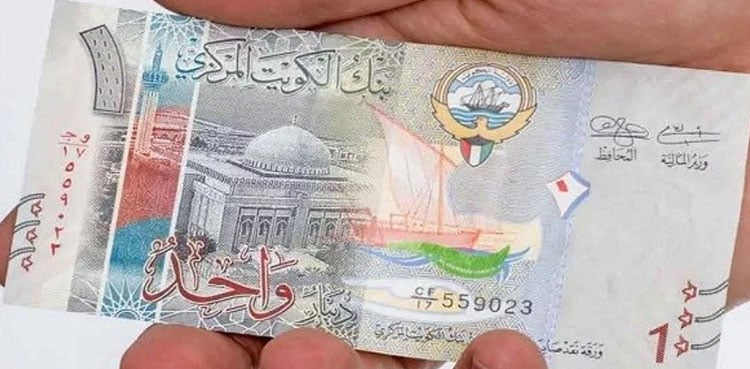
The Pakistani rupee (PKR) declined slightly against the Kuwaiti Dinar (KWD) in the open market in Pakistan on June 4, 2026, as the Kuwaiti Dinar posted modest gains in both buying and selling rates.
The Kuwaiti Dinar, generally known as one of the world’s strongest currencies, continued to maintain its strength while the Pakistani Rupee remained influenced by domestic economic conditions.
Kuwaiti Dinar to Pakistani Rupee Rate Comparison
In the open market in Pakistan on June 4, 2026, the Kuwaiti Dinar was being bought at Rs. 883.35 and sold at Rs. 893.75.
A day earlier, on June 3, 2026, the buying rate was at Rs. 882.18, while the selling rate was Rs. 892.75.
Compared to the previous session, the buying rate increased by Rs. 1.17, and the selling rate rose by Rs. 1.00, indicating a slight weakening in the Pakistani rupee’s value against the Kuwaiti currency.
Kuwaiti Dinar Remains Among World’s Strongest Currencies
The Kuwaiti Dinar continues to rank among the strongest currencies worldwide, supported by Kuwait’s managed exchange rate framework, which links the currency to a major international currency. This system helps shield the dinar from sharp fluctuations in global foreign exchange markets and contributes to its long-term stability.
Pakistani Rupee Faces Ongoing Economic Pressures
Meanwhile, the Pakistani Rupee remains under pressure from several macroeconomic challenges, including external financing requirements, inflationary trends, and trade imbalances. However, currency dealers say administrative measures and steady remittance inflows have helped contain excessive instability in the local currency market.
Foreign exchange reserves, import payments, and economic policy developments continue to play a key role in determining the Pakistani Rupee’s direction.
Impact on Trade and Import Costs
The strong value of the Kuwaiti Dinar has significant implications for trade and business activity between the two countries. Pakistani importers sourcing products from Gulf markets face higher costs in rupee terms, particularly in sectors such as energy, industrial equipment and machinery.
Simultaneously, a relatively stable exchange rate provides businesses with greater predictability for financial planning and cross-border transactions.
Remittances Continue to Support Households
For the large Pakistani expatriate community working in Kuwait, the stronger dinar enhances the value of remittances sent home. Even relatively small transfers convert into substantial amounts in Pakistani rupees, helping support household incomes and contributing to Pakistan’s foreign exchange reserves.
The continued flow of remittances from Kuwait remains an important pillar of Pakistan’s external account stability.
Outlook
Market participants expect the Kuwaiti Dinar to the Pakistani Rupee exchange rate to remain largely stable in the near term, with limited volatility. Future movements are likely to depend on Pakistan’s economic fundamentals, foreign exchange inflows, and broader global developments, including trends in international oil prices.
Disclaimer: Exchange rates are indicative and may vary throughout the day depending on market demand, liquidity conditions, and rates offered by banks and exchange companies.