
Mathematical model explains why birds sing in a synchronized dawn chorus
- By Kumail Shah -
- Aug 12, 2026


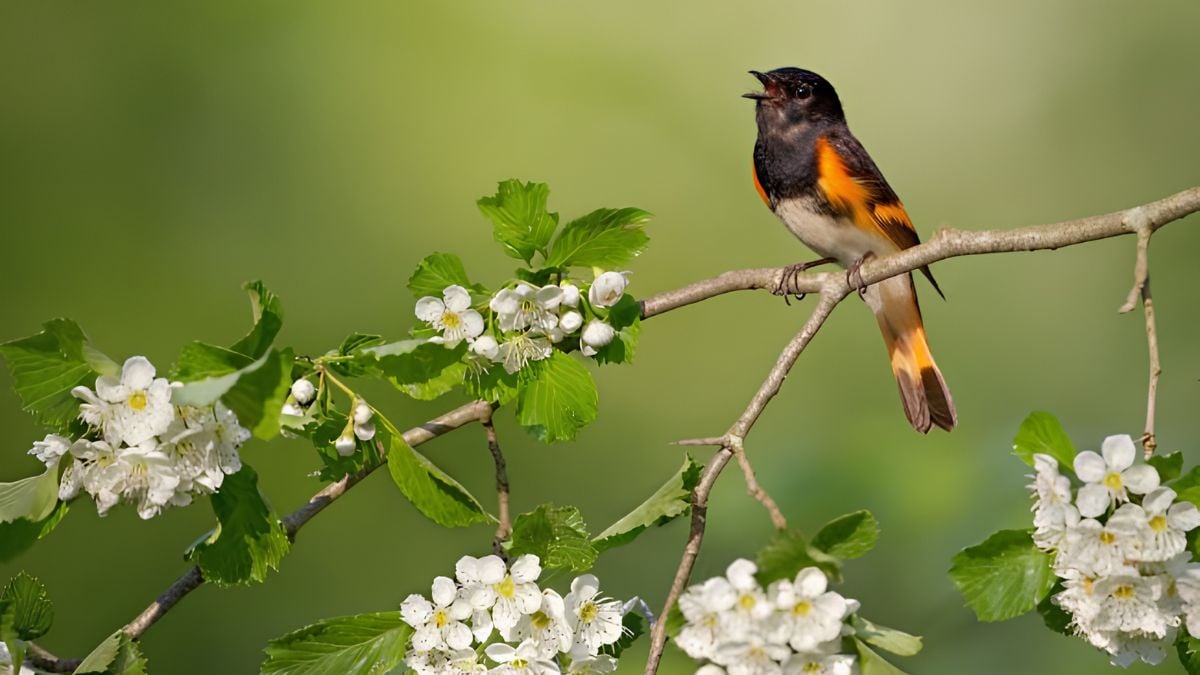
At sunrise each day, groups of birds break into a coordinated burst of song known as the dawn chorus. Scientists have watched this striking display for years, but the reasons behind it have remained unclear.
Now, a new study from the University of Warwick offers fresh insight into what sparks this early morning chorus. Researcher Alexander R. Kaye created a mathematical model showing that both environmental signals and social cues among birds work together to trigger singing.
Kaye said he was inspired after moving to the countryside, where he often woke up to hearing the sound of the dawn chorus. This experience led him to look into catastrophe theory, a field of mathematics that explains how gradual changes can suddenly trigger dramatic shifts in behavior—like a tree breaking after a slow build-up of wind.
The research set out to determine whether straightforward individual behaviors, rather than complex group coordination, could explain the chorus. Kaye ran computer simulations where each bird had its own ‘singing threshold’—meaning each one needed a certain level of light or sound before it would start to sing.
The model revealed that a bird starts to sing when the light and the sound from other birds reach its own threshold. Since each bird reacts a bit differently, a few begin singing as the sun rises, and their songs uplift others to join in. This chain reaction spreads quickly, creating the morning chorus we hear.
Kaye said he was pleased that a behavior long described by observation can now be traced back to basic biology and simple math.
READ MORE: Can AI cause human extinction? Google DeepMind executive sounds the alarm
This method could also help explain other group behaviors in nature, such as insect choruses or the spread of applause in a crowd. Kaye plans to test his model using real audio recordings and to incorporate components such as weather and predators to make it more accurate.