
Why is Nepal's 'Gen Z' protesting?
- By Reuters -
- Sep 09, 2025


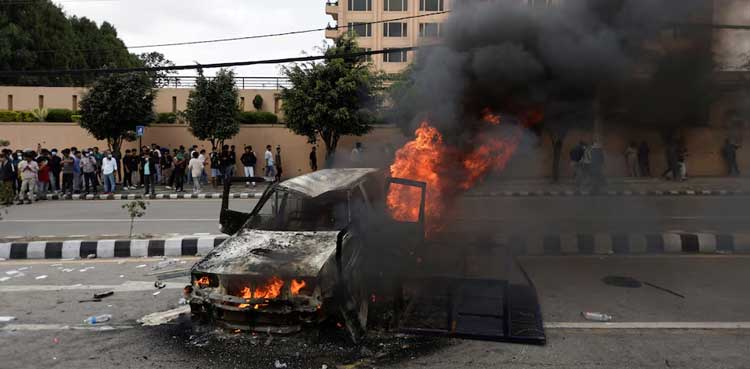
Kathmandu: Thousands of young Nepali people, many in their 20s or even younger, got together to protest in the capital Kathmandu and other cities in the Himalayan country.
Many of the protesters were students and joined the demonstrations in their school or college uniforms. The organisers called the protests “demonstrations by Gen Z”.
At least 19 people died in Nepal and dozens more were injured as police fired tear gas and rubber bullets to disperse protesters who tried to break into parliament.
WHAT SPARKED THE OUTRAGE?
Last week, Nepal’s government blocked access to several social media platforms after the companies missed the deadline to register under new regulations, aimed at cracking down on misuse.
Read More: Nepal Prime Minister KP Sharma Oli resigns after protests
Nepal’s government has said social media users create fake IDs and use them to spread hate speech and fake news, commit fraud and other crimes on these platforms.
A government notice directed the regulator, Nepal Telecommunications Authority, to deactivate unregistered social media but gave no details of which platforms faced action. The services will be restored once the platforms comply with its order, the government said.
Local media reported that the banned platforms include Meta’s Facebook, Instagram and WhatsApp, Alphabet’s YouTube, China’s Tencent and Snapchat, Pinterest and X.
WHAT ARE THE PROTESTERS SAYING?
Many people in Nepal think corruption is rampant, and the government has been criticised by opponents for failing to deliver on its promises to tackle graft or make progress in addressing longstanding economic issues.
Nepal’s youngsters say the protest is an expression of their widespread frustration over the social media ban.
WHAT HAPPENED ON MONDAY?
At least 19 people died and dozens were injured as thousands of young people protested across major cities in Nepal.
In the capital Kathmandu, protesters barged into the parliament complex by breaking through a barricade and setting fire to an ambulance.
Police had been given orders to use water cannons, batons and rubber bullets to control the angry crowd. The army was deployed and a curfew was imposed in the city.
HOW DID THE SITUATION BECOME VIOLENT?
The protests, consisting mostly of young people – many wearing school or college uniforms – began in Kathmandu but quickly spread to other cities, and police were ordered to use water cannons, batons and rubber bullets to control the crowds.
Officials in the capital city said some of the protesters forced their way into the parliament complex – where the army was also deployed – set fire to an ambulance and hurled objects at security personnel.
Protesters said they were unarmed and security forces had fired indiscriminately.