
Norway F-35 intercepts Russian Tu-160 Bombers off NATO's northern flank
- By Zaeem Basir -
- Jun 29, 2026


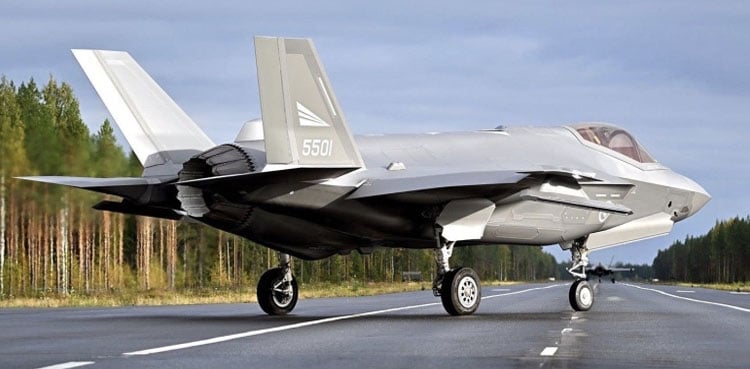
Norwegian F-35 Lightning II jets intercepted Russian strategic bombers over the Barents and Norwegian Seas on June 23, 2026.
The intercepts, likely the most high-profile NATO air policing exercise of the year, have captured the attention of defense analysts, with image evidence depicting an F-35 flying alongside two Russian Tu-160 “White Swan” bombers with their MiG-31 escort aircraft.
The Intercept: F-35 Between Tu-160 and MiG-31
Russia’s nuclear-armed Tu-160 bombers carried out a 16-hour flight in international airspace over the Barents and Norwegian Seas on June 23rd, accompanied by Russian Air Force MiG-31BM “Foxhound” interceptors, and conducted mid-flight refueling along their route.
A Royal Norwegian Air Force F-35 fighter, photographed directly in-between the Tupolev strategic bomber and the interceptor; this photo clearly shows the new geometry of air conflict between Western fourth/fifth-generation interceptors and Russian strategic bombers.
In a statement, the Royal Norwegian Air Force described the event as a well-practiced QRA intercept that maintained adequate tactical spacing and allowed for timely, positive identification, all while the Russian jets kept within international airspace.
Russia’s Tu-160: World’s Largest, Fastest Bomber
The Tupolev Tu-160 “White Swan” is the world’s largest and fastest operational bomber. Its two enormous after-burning turbojets allow it to break the sound barrier, flying faster than Mach 1 while carrying as much as 45 tonnes (almost 100,000 lbs) of nuclear and conventionally-armed cruise missiles. While Russia labeled the bomber sortie “routine,” it occurred during a heightened period of NATO activity in the High North.
NATO’s Arctic Air Shield in 2026
In addition to the intercept, Norwegian F-35s recently shadowed Russian Il-20M spy planes participating in Cold Response 2026 exercises staged out of Evenes Air Station, Norway.
Army Recognition notes how this particular incident serves as a perfect visual example of the new grammar of Arctic airpower – bomber endurance meeting interceptor support, QRA readiness, and sensor driven deterrence, all the way along the same airspace and geographical latitude.