
Assad's Secret 'Operation Move Earth': How Syria's Regime Hid Thousands in Desert Mass Graves
- By Reuters -
- Oct 17, 2025


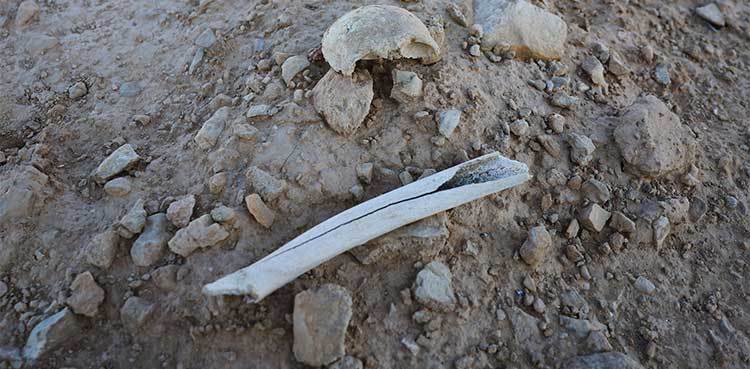
In a chilling revelation, a Reuters investigation uncovers a clandestine Assad-era operation to conceal evidence of mass atrocities by relocating thousands of bodies from a known mass grave near Damascus to a vast, secret site in the remote Dhumair desert. Dubbed “Operation Move Earth,” the two-year effort from 2019 to 2021 aimed to erase traces of killings as Bashar al-Assad sought to rehabilitate his image amid waning civil war and potential international scrutiny.
The operation stemmed from advice by Russian allies in 2018, urging Assad to hide signs of human rights abuses, including mass graves, arrests, and chemical attacks. With victory in sight, Assad ordered the excavation of the Qutayfah mass grave—exposed by activists in 2014—and the transfer of remains to a military-controlled desert location over an hour away. Witnesses, including truck drivers, mechanics, bulldozer operators, and a former Republican Guard officer, described nightly convoys of six to eight old Mercedes trucks hauling decomposed bodies, bones, and maggots under strict secrecy. Orders were verbal, with threats of death for breaches.

Col. Mazen Ismandar, dubbed Assad’s “master of cleansing,” orchestrated the logistics. As budget manager for military medical services, he oversaw burials since 2012, with documents bearing his stamp linking prisons like Sednaya and hospitals to the graves. Bodies arrived from detentions, interrogations, and battles—many naked, bound, and blindfolded. Satellite imagery analyzed by Reuters shows Qutayfah’s 16 trenches (over 1.2 km total) dug from 2012-2018, then emptied starting March 2019. Concurrently, Dhumair’s site expanded to at least 34 trenches spanning 2 km, covering an area larger than 16 football fields.
Forensic evidence corroborates the transfer: Drone composites reveal soil color shifts at Dhumair matching Qutayfah’s subsoil, per geologists. Witnesses recounted the overpowering stench that lingered on clothes and hair, with convoys running four nights weekly (excluding holidays and COVID pauses). Mechanics like Ahmed Ghazal repaired breakdown-prone trucks, glimpsing fresh and decayed corpses, including young victims. A bulldozer operator described initial horror turning to numbness while digging deep trenches to contain odors and animals.
Estimates suggest tens of thousands buried at Dhumair, based on convoy frequency (about 2,600 trips) and trench dimensions. The site remains unprotected, with bone fragments scattered on the surface. Syria’s new government, under President Ahmed al-Sharaa, has sealed Dhumair following Reuters’ report but faces hurdles: destroyed records, resource shortages, and complex DNA identification. The National Commission for Missing Persons notes the haphazard move complicates efforts for families of over 160,000 disappeared since the Assad dynasty began in 1970.
This operation highlights Assad’s efforts to evade accountability, with no direct orders traced to him but insiders insisting his approval was implicit. As Syria grapples with its painful past, unprotected graves risk tampering, delaying justice for victims.