
Pakistan issues over 2,800 visas to Indian pilgrims for Baisakhi festival
- By Web Desk -
- Apr 07, 2026


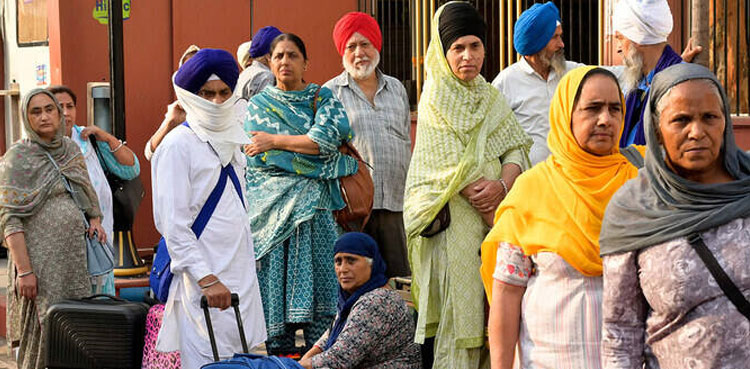
NEW DELHI: The Pakistan High Commission in New Delhi has issued more than 2,800 visas to Indian pilgrims to participate in the annual Baisakhi festival, scheduled to take place in Pakistan from April 10 to 19, 2026.
According to a press release issued by the High Commission on Tuesday, the pilgrims will, among other activities, visit Gurdwara Panja Sahib, Gurdwara Nankana Sahib, and Gurdwara Kartarpur Sahib.
Extending his warm greetings on the occasion, Pakistan’s Charge d’Affaires to India, Saad Ahmad Warraich, wished the pilgrims a fulfilling and spiritually enriching stay in Pakistan.
He emphasized that the visit reflects Pakistan’s enduring commitment to promoting interfaith harmony and cultural understanding.
As a proud custodian of numerous places of worship, Pakistan will continue to advance universal ideals of tolerance, goodwill and mutual respect, Warraich added.
The visit is covered under the framework of the Bilateral Protocol on Visits to Religious Shrines, 1974.
Last year, the Pakistan Sikh Gurdwara Parbandhak Committee (PSGPC) condemned the Indian government’s repeated denial of permission to Sikh pilgrims seeking to visit Pakistan for religious rituals, and unanimously passed a resolution against the move.
PSGPC President and Punjab Minorities Minister, Sardar Ramesh Singh Arora, termed the Indian government’s actions a blatant violation of religious freedom and fundamental human rights, saying it had deeply hurt the sentiments of Sikhs worldwide.
He stated that Pakistan has consistently welcomed Sikh pilgrims to sacred sites such as Nankana Sahib, Kartarpur, and Panja Sahib, while the Indian government continues to restrict its own citizens from exercising this right.
Following the Pahalgam attack in April last year, the Indian government imposed a ban on its citizens travelling to Pakistan.
Arora added that Pakistan has introduced an online visa facility for pilgrims from around the world—particularly from the UK, Canada, and the United States—to facilitate easier access, while India continues to deny the same opportunity to its own citizens.