
Pakistan could run out of LNG after April 14 as Qatar halts supply: DG LNG
- By Web Desk -
- Mar 16, 2026


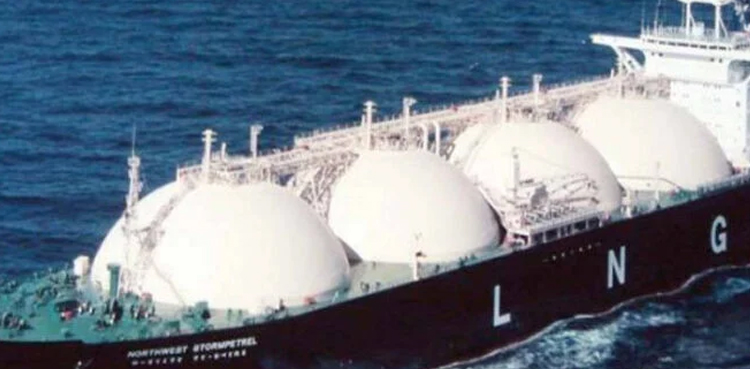
ISLAMABAD: Pakistan’s liquefied natural gas (LNG) supply may run out after April 14 as Qatar has halted natural gas production amid the ongoing Israel-Iran conflict, officials told the Senate Standing Committee on Petroleum on Monday.
The committee, which met under the chairmanship of Senator Manzoor Ahmed, was informed by the Director General LNG that gas supply from Qatar has been completely suspended, raising concerns over Pakistan’s LNG availability in the coming weeks.
The war in the Middle East threatens shipments from Qatar, the world’s No. 2 producer after the U.S., which supplies most of Pakistan’s imported LNG, used to fuel power plants during peak electricity demand.
Officials said Pakistan had planned to receive eight LNG cargoes in March, but only two arrived before the conflict began, while the remaining six shipments could not reach the country. For April, three out of six scheduled LNG cargoes are also expected to be delayed.
The committee was told that if the current situation persists, Pakistan may face a shortage of LNG after April 14.
To manage the crisis, authorities have increased domestic gas production, while emergency supply planning has also been initiated.
Under the proposed plan, system gas supply may be reduced from 655 million cubic feet per day (MMCFD) to 642 MMCFD, while RLNG supply could be increased from 28 to 30 MMCFD. Overall, gas supply is expected to decline from 683 MMCFD to around 672 MMCFD.
The LNG officials said gas consumption for domestic users is expected to increase from 399 to 420 MMCFD, while supply to the commercial sector may be reduced from 10 to 8 MMCFD.
Gas allocation for process industries may be cut from 140 to 120 MMCFD, and for captive power plants from 82 to 70 MMCFD.
Meanwhile, gas supply to the power sector may increase from 18 to 20 MMCFD, while fertilizer plants could receive slightly higher supply, increasing from 29 to 30 MMCFD.
Officials also told the committee that Pakistan has an agreement with a company in Azerbaijan for LNG supply if demand increases, but that would be nearly three times more expensive.
The disruption follows the decision by QatarEnergy, the world’s second-largest LNG exporter, to halt production at its 77 million tons per annum facility and declare force majeure on LNG shipments due to the regional conflict.
Qatari Energy Minister Saad al-Kaabi told the Financial Times last week that it would take “weeks to months” for deliveries to return to normal even if the conflict ended immediately.
Qatar is a pivotal supplier rather than a marginal one.