
Petrol price may see huge reduction worldwide
- By Web Desk -
- Apr 30, 2026


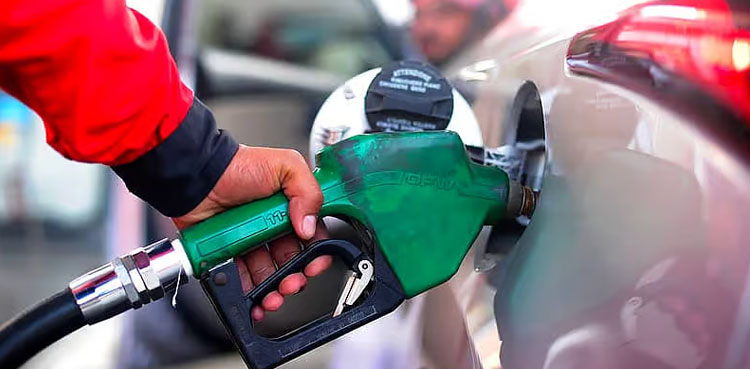
Economic experts have described the recent skyrocket surge in global petrol prices triggered by Iran -US escalating tensions as a short-term shock to Pakistan and other petrol-importing countries, predicting a sharp decline by late 2026 and early 2027.
Brent crude oil, which stood at around $70 per barrel before the Iran-US conflict, has surged to above $100 per barrel, placing renewed pressure on global economies, particularly petrol-importing nations such as Pakistan.
However, analysts suggest the current volatility is unlikely to persist.
A major factor behind this prediction is the United Arab Emirates’ (UAE) decision to leave the Organization of the Petroleum Exporting Countries (OPEC), a move that could significantly reshape the global energy market.
According to the International Energy Agency, the UAE’s exit would reduce OPEC’s overall production capacity by approximately 13 percent, weakening the group’s ability to influence petrol prices.
Experts argue that this shift could ultimately lead to increased oil supply. Freed from OPEC production limits, the UAE may expand output to its full capacity, contributing to downward pressure on prices, and crude could fall to as low as $50 per barrel.
Additional factors supporting a long-term decline include the US position as the world’s largest petrol producer, with advanced extraction technologies allowing profitability even at low to $40 -50 per barrel.
At the same time, the growing adoption of electric vehicles and alternative energy sources is steadily reducing global oil demand.
According to experts, for Pakistan and other developing economies, a drop in petrol prices could bring significant relief.
Pakistan imports more than 80 percent of its petrol needs, making it highly vulnerable to price fluctuations.
Analysts estimate that if prices fall to between $40 and $50 per barrel, the country’s import bill could shrink by $4–5 billion, easing inflationary pressures and lowering transport and energy costs.