
How Much Tax Are Pakistanis Paying on Per Liter Petrol in April 2026? Full Breakdown
- By Dr Umar Islam -
- Apr 03, 2026


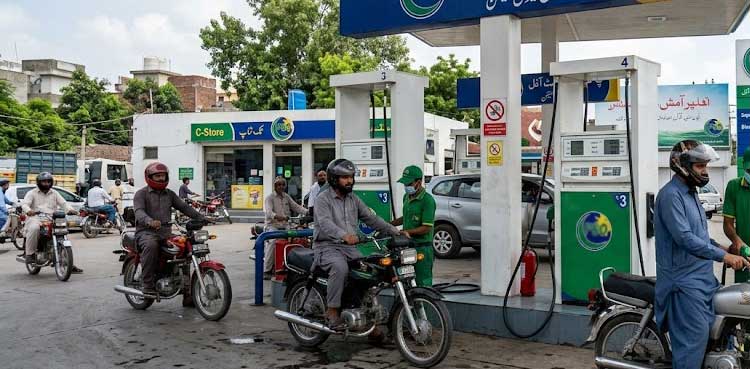
Pakistan’s petrol prices have skyrocketed to a historic high of Rs458.41 per liter (effective April 3, 2026), with diesel also jumping to Rs520.35 per liter. This massive Rs137.23 per liter increase in just one go has left millions of commuters, bike riders, and small businesses reeling. But how much of that Rs458.41 is actually tax going straight to the government?
Here’s the latest breakdown based on official notifications from the Petroleum Division and OGRA.
Current Petrol Price in Pakistan (April 2026)
- Petrol (MS 92): Rs458.41 per liter (up Rs137.23)
- High-Speed Diesel (HSD): Rs520.35 per liter (up Rs184.49)
- Kerosene: Rs467.48 per liter
- Light Diesel Oil (LDO): Rs395.03 per liter
These are the highest retail prices ever recorded in Pakistan, driven by surging global crude oil costs (linked to Middle East tensions) and the government’s decision to adjust levies to meet revenue targets.
Petrol Price Breakdown Per Liter: What You’re Really Paying For
| Component | Amount (Rs per liter) | % of Retail Price (approx.) | Notes |
|---|---|---|---|
| Ex-Refinery Price | 271.27 | ~59% | Base cost (import + refining). Reflects global oil prices + exchange rate. ~80% of Pakistan’s fuel is imported. |
| Petroleum Levy (PL) | 160.61 | ~35% | Main tax – hiked by Rs55.24 from previous Rs105.37. |
| Other Levies/Margins | ~26.53 | ~6% | Includes Climate Support Levy (Rs2.50), Inland Freight Equalization Margin (IFEM), Oil Marketing Companies (OMC) margin (~Rs7.87), and Dealer Commission (~Rs8.64). No GST applied. |
| Total Retail Price | 458.41 | 100% | What you pay at the pump. |
Key takeaway: On every single liter of petrol, Pakistanis are paying Rs160.61 in Petroleum Levy alone — a record high tax component. When including the Climate Support Levy and any embedded duties, the total government take (taxes + levies) exceeds Rs163 per liter. This is roughly 35-36% of the pump price.
Why Is the Tax So High? Government’s Reason
The Petroleum Levy (also called Petroleum Development Levy or PDL) is a fixed charge set by the federal government to generate revenue for the budget — it funds infrastructure, subsidies elsewhere, and debt servicing.
- The government recently raised the PL on petrol to Rs160.61 to meet its budgeted target after global prices spiked and subsidy limits (capped under IMF agreements) were hit.
- No General Sales Tax (GST) is currently applied on petrol (it remains at 0% to avoid even higher prices).
- For diesel, the PL was slashed to zero (except Rs2.50 carbon/climate charge) to ease pressure on transport and agriculture.
The government has already spent Rs129 billion absorbing global price shocks since March 1, 2026, before passing on part of the burden. Officials say blanket subsidies are unsustainable, so they’ve shifted to targeted relief:
- Rs100/liter subsidy for motorcyclists (up to 20 liters/month for 3 months).
- Support for small farmers, trucks carrying essentials, and public transport.
Real Impact on Ordinary Pakistanis
- A motorbike rider filling a 10-liter tank now pays over Rs1,600 extra compared to a month ago — much of it in taxes.
- Rickshaw drivers, delivery riders, and middle-class commuters face higher daily costs that feed directly into inflation (transport fares, food prices, goods movement).
- The levy alone generates massive revenue: with daily petrol consumption in the hundreds of thousands of tons, every Rs1 increase in PL adds tens of millions in daily government income.
Bottom Line: How Much Tax Per Liter of Petrol in Pakistan Right Now?
Rs160.61+ in direct government levies (primarily the Petroleum Levy) out of Rs458.41. That’s more than the base ex-refinery cost in some past periods — meaning taxes now form one of the largest chunks of what you pay at the pump.
The next price revision will come in mid-April. Keep an eye on global oil prices and rupee-dollar rate, as they directly affect the ex-refinery component. For the latest official updates, check OGRA or Petroleum Division notifications.
Data sourced from official Petroleum Division announcements, OGRA-linked reports, and credible business outlets (April 2–3, 2026). Prices are uniform across Pakistan except for minor regional variations in freight.