
Petrol prices likely to come down in Pakistan, hints Pervaiz Malik
- By Aleem Malik -
- Jun 18, 2026


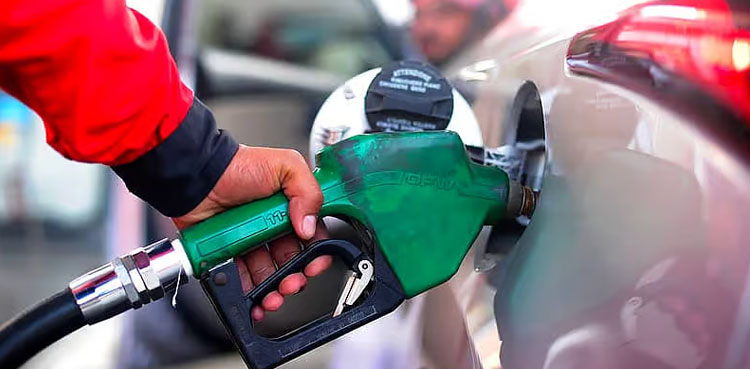
ISLAMABAD: Minister for Petroleum Ali Pervaiz Malik has hinted at a reduction in petrol prices, a major relief to the masses as international oil prices begin to decline.
According to the minister, the diplomatic efforts of Prime Minister Shehbaz Sharif, Field Marshal Asim Munir, Foreign Minister Ishaq Dar and the Interior Minister Mohsin Naqvi are starting to yield positive results, with Iran and the United States moving towards a ceasefire agreement.
He noted that signs of easing tensions between Iran and the United States have already led to a downward trend in global oil prices, creating the possibility of relief for consumers in Pakistan.
Ali Pervaiz Malik stated that the prime minister has directed to ensure that the benefits of any reduction in international petrol prices be passed on to the public without delay.
To facilitate this, the government is developing a transparent formula for determining petroleum product prices. He further announced that a high-level committee has been established to oversee the weekly review and determination of fuel prices.
Read more: ‘Pakistan would be biggest beneficiary if Iran allowed to sell oil, gas in int’l market’
The minister said that the new pricing policy will be formulated following consultations with all relevant stakeholders, ensuring a balanced and sustainable framework.
He added that the government will keep the public fully informed about the factors influencing any changes in fuel prices, promoting transparency and public confidence.
Despite regional challenges, Ali Pervaiz Malik highlighted that oil supplies across the country remained uninterrupted. He credited the government’s responsible strategy, along with the cooperation of industry partners, for safeguarding the supply chain during a period of uncertainty.
The minister also revealed that Pakistan is undertaking a comprehensive review of its energy security framework to strengthen resilience against future challenges.