
UK food prices and shop price inflation pick up at end of 2025
- By Reuters -
- Jan 07, 2026


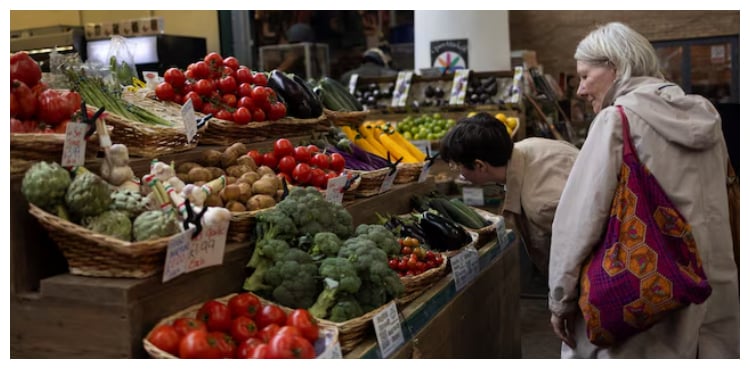
UK store chains raised their prices more quickly last month and they might struggle to avoid further increases in 2026 due to higher costs, the British Retail Consortium (BRC) said on Tuesday.
Annual shop price inflation rose to 0.7 percent in December, slightly above the 0.6 percent increase in the 12 months to November but in line with its three-month average, the BRC said.
Food inflation of 3.3% in annual terms last month was up from 3.0% in November but prices for non-food items fell by 0.6%, the same pace of decline as in the previous month.
“This year, retailers will continue to do all they can to keep prices down,” BRC Chief Executive Helen Dickinson said.
“While falling energy prices and improved crop supply should help ease some cost pressures, increased public policy costs and regulation will likely keep inflation sticky.”
Britain’s minimum wage is set to increase by 4.1% in April to 12.71 pounds ($17) an hour, adding to employers’ higher staff costs which were also pushed up by finance minister Rachel Reeves’ first budget in October 2024.
The Bank of England is monitoring food prices closely as it believes they play a role in shaping public inflation expectations. Britain’s overall consumer price inflation rate fell to 3.2% in November.
UK consumer borrowing rises by most since November 2023
British consumer borrowing rose by the most in two years in November, Bank of England data showed, suggesting household demand remained solid ahead of finance minister Rachel Reeves’ budget.
Consumer borrowing grew by a net 2.08 billion pounds ($2.79 billion) during the month, the most since November 2023 and more than any forecast in a Reuters poll of economists.
The increase was above October’s 1.713 billion-pound rise, taking the annual rate of consumer credit growth to 8.1%, the fastest since the 12 months to May 2024.
“Today’s release adds to the evidence that speculation about tax rises ahead of November’s Budget didn’t influence households’ spending decisions too much,” Alex Kerr, UK economist at Capital Economics, said.