
Lice can kill?: Girl dies due to severe infection
- By Web Desk -
- Feb 15, 2026


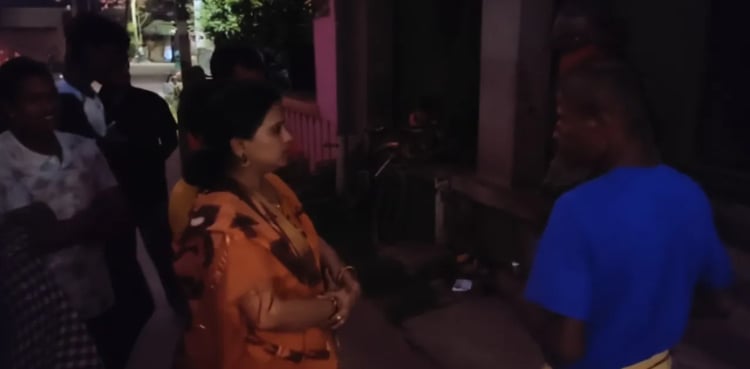
In the Puri district of India’s Odisha, a severe lice infestation reportedly led to a fatal scalp and skull infection, resulting in the death of a Class 6 student girl during treatment. The incident has raised significant concerns regarding delayed medical intervention and a lack of early action.
The tragedy occurred in Champagada Sahi, within the jurisdiction of the Balanga police station. The deceased, identified as Lakshmipriya Sahu, daughter of Lingaraj Sahu, was a student in the sixth grade.
According to family members, Lakshmipriya had suffered from a severe lice infestation for several months. Despite various attempts at treatment, her condition failed to improve. Her mother, Satyabhama Sahu, had suggested tonsuring (shaving) her head as a preventative measure, but the child reportedly resisted the idea.
Over time, the infestation worsened, severely affecting her scalp. Family members noted that Lakshmipriya began avoiding the outdoors due to a foul odor emanating from her head. She kept her hair wrapped and hidden, leaving the family unaware of the true severity of the infection.
Reports indicate that Lakshmipriya began vomiting blood three days prior to her passing. Distressed by her deteriorating condition, her family rushed her to Puri Medical College and Hospital. Despite receiving medical assistance, she passed away on Saturday night.
Reflecting on the tragedy, Satyabhama Sahu stated, “She kept her head covered and did not show it to us after the infestation began. When she first complained of vomiting blood, I thought it might be because she was not bathing properly. After she started bathing more regularly, the vomiting seemed to stop temporarily.”
Parbati Behera, a local social worker, expressed concern over the lack of oversight. “The teachers at her school should have noticed when she began covering her head regularly. They should have investigated the matter and consulted her mother. Had timely steps been taken, the child might still be alive today,” she said.
This heartbreaking event highlights the critical importance of early identification, health education, and prompt medical intervention, particularly in school-aged children.