
Queen Camilla visits shelter supporting abuse survivors
- By Maria Lopez -
- Jul 21, 2026


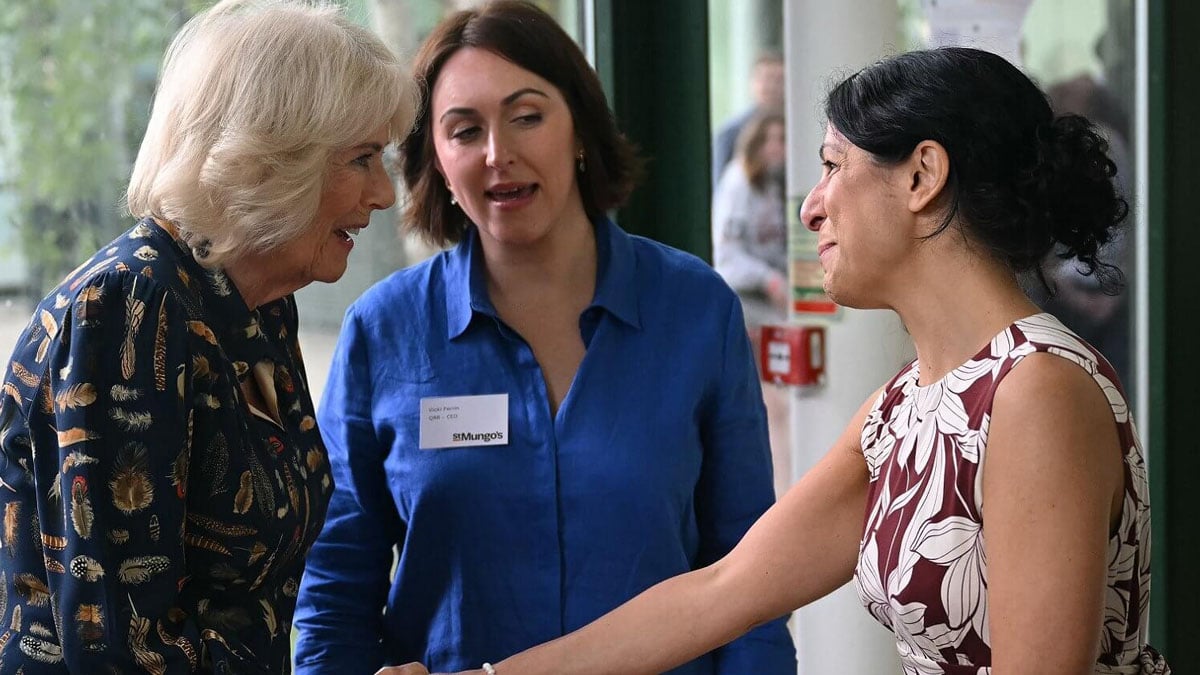
Queen Camilla was in Norfolk today where she spent time meeting staff and service users from a charity which supports people escaping domestic abuse and homelessness. Her Majesty’s visit is a continuation of The Queen’s long-held support for vulnerable women and families escaping extreme abuse and starting to rebuild their lives.
Her Majesty spoke privately to survivors and listened to personal stories about leaving abusive circumstances, finding secure housing and beginning a new journey.
“To every survivor of every kind of violence… please know that you are not alone,” said The Queen who also acknowledged the dedication and tireless work of frontline staff who act as ‘lifelines’.

The ‘crucial link between domestic abuse and homelessness’ This has been a central theme in much of Her Majesty’s public work for the last ten years as she has focused on preventing domestic abuse and supporting survivor recovery.
Housing and domestic abuse charities working in the UK highlight that much of the homelessness experience among women starts with fleeing coercive control, physical violence, or financial abuse.
The lack of emergency refuge provision means that many people find themselves having to choose between staying at risk in their home, or leaving with no safe place to go. For example, last year in the UK almost 4,000 incidents of street homelessness or housing instability among women started as a direct result of escaping domestic abuse.
Highlighting: • The crucial support that services provide to assist survivors and their children to leave abusive homes • The work that frontline staff do tirelessly to provide support, advice and safe refuge, day and night, in moments of intense crisis and despair • The role of local communities to ‘reach in’ and help identify anyone experiencing domestic abuse.
Royal Family – Latest News and Updates
The Queen’s engagements have regularly involved listening to both survivors and staff at organisations including SafeLives, Refuge and regional community shelters to help strip away the shame and stigma often associated with domestic abuse, to raise public awareness, to lobby for more funding for refuge facilities and to bring the issue to the forefront of public policy discussions.