
Russia approves import of Pakistani potatoes
- By Web Desk -
- Apr 11, 2026


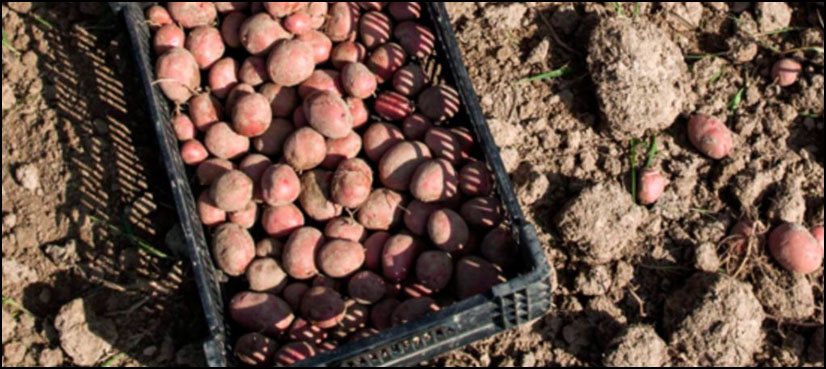
ISLAMABAD: In a major boost to Pakistan’s agricultural exports, the Russian Federal Service for Veterinary and Phytosanitary Surveillance (Rosselkhoznadzor) has allowed the import of potatoes from Punjab into the Russian Federation, effective April 8, 2026, according to a statement issued by the Trade Development Authority of Pakistan.
The decision follows the lifting of phytosanitary restrictions that had been in place since May 2025.
In the initial phase, imports have been authorized from three Pakistani exporters: Chase International, Zahid Kinnow Grinding & Waxing Plant, and National Fruit.
Head of Pakistan’s Trade Mission in Moscow, Shabana Aziz, said more companies are expected to be registered soon to expand export capacity.
“With the support of TDAP and PHDEC teams, virtual B2B meetings are being arranged to help Pakistani exporters fully avail this emerging opportunity,” she said.
Pakistan is currently experiencing a bumper potato harvest, with production estimated at around 12 million tons.
The opening of the Russian market is expected to ease surplus supply, stabilize domestic prices, support farmers, and boost foreign exchange earnings.
The development reflects coordinated efforts by the Ministry of National Food Security & Research, the Department of Plant Protection, TDAP, PHDEC, and Pakistan’s Trade Mission in Moscow, according to the statement. It also underscores the commitment of federal and Punjab authorities to diversify export markets and strengthen trade ties with Russia.
The federal government had allowed farmers in Punjab to export potatoes and kinno through alternative routes.
The move follows calls from Punjab’s potato growers for urgent government support, including subsidised exports, after a production surplus coincided with weak domestic demand.
The Punjab government had urged the federal government to reduce freight charges for potato and kinnow exports, particularly via Iran, to address logistical challenges faced by exporters.