
Saudi Arabia enforces strict payroll rules against wage, payment issues
- By Web Desk -
- Aug 16, 2025


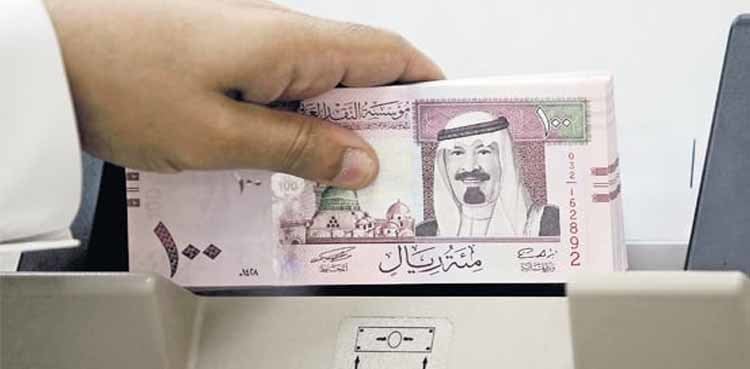
Saudi Arabia’s Ministry of Human Resources and Social Development has announced that assigning employees unreasonably high or low wages will now be labeled as a violation under the Kingdom’s Wage Protection Programme.
Updated guidelines empower the Mudad digital payroll platform to detect anomalies such as salaries far below or above prevailing levels, excessive deductions exceeding 50 per cent of pay, or basic wages not recorded in the system for over 90 days.
Other violations include failure to record or pay wages or maintaining no documented record of payment.
Inspection visits will be triggered if private-sector employers delay submitting wage protection files by more than 20 days. The Mudad system sends an initial reminder once wages are due, a second notice after 10 days, and a final warning on day 15.
If files are still not submitted by day 20, inspections are initiated. Employers have 10 days to justify delays, after which employees have three days to accept or reject the explanation; if they do not respond, the employer’s justification is automatically recorded.
Read more: Saudi Arabia’s Premium Residency platform receives 40,163 applications
Under existing rules, companies delaying salaries for two consecutive months face suspension of ministry services, except for work permits. Delays exceeding three months result in full suspension, allowing employees to transfer to new employers without consent, even if their work permits remain valid.
The updated framework aims to ensure timely and fair compensation for workers while strengthening compliance among private-sector employers.
In a separate development, Saudi Arabia introduced new shared housing laws to cap capacity and improve safety across the kingdom.
As per details, the Saudi Arabia Ministry of Municipalities and Housing issued comprehensive health, safety, and technical regulations for group housing facilities across the Kingdom, setting clear capacity limits and modern infrastructure requirements.
The new framework classifies group housing into three categories: residential buildings, large residential complexes, and mobile cabins.
Residential buildings will be allowed to house up to 500 people, with a Saudi national designated to oversee operations. Each resident in Saudi Arabia must have at least four square metres of space, and no room may host more than 10 people.