
Saudi Riyal remains steady against PKR and Bangladeshi Taka
- By Fahad Ali -
- Jun 22, 2026


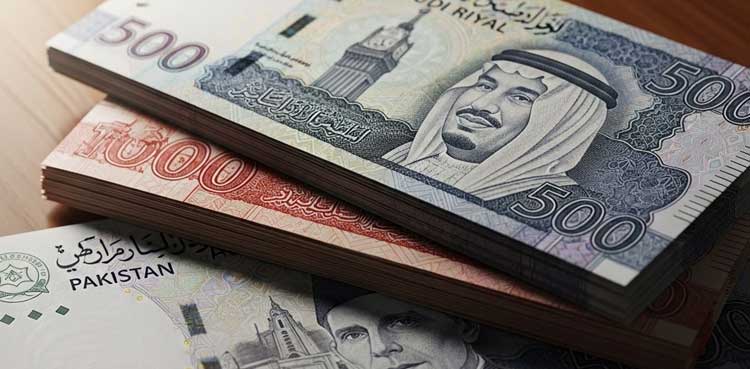
KARACHI/RIYADH: The Saudi Riyal (SAR) reported even greater stability with most of South Asia’s currencies, showing positive trends with the already large communities of Pakistani and Bangladeshi expats in Saudi Arabia. This reflects Saudi Arabia’s strong economy and the oil market combined with Saudi Arabia’s regional partnerships with labor-exporting countries.
Currently, SAR 1 is trading in Pakistan for around 74.10 to 74.19 PKR, though open market trading is slightly higher. SAR is also trading around 32.70 to 32.74 BDT. These rates provide decent purchasing power for expenses when the SAR sent home struggles with the family for day-to-day expenses.
Currently, Pakistani workers in Saudi Arabia benefit the most from the SAR to PKR rate. Their expenses at the rate of conversion are more affordable in Pakistan for education, housing, healthcare, and even to pay loans. The workers in the construction, service, and other critical sectors provide remittances that boost Pakistan’s economy.
The favorable SAR to BDT rate also provides the same benefit for Bangladeshi expats in Saudi Arabia. Bangladeshi expats engaged in different sectors of employment in Saudi Arabia can send home remittances that are expected to retain value against Bangladeshi local inflation while also contributing to family remittances, small businesses, and local community development.
The Saudi Riyal is pegged to the US Dollar which ensures its strength and counters short-term volatility in other currencies. Although the influence of global commodity prices and monetary policies on the Riyal are minor, it’s smart to remain vigilant when sending remittances.
The continued strength of the Saudi Riyal is evidence for the millions of South Asians working in the Gulf why they must remain in those jobs.
Financial flows into and between households and countries from Pakistan and Bangladesh means the foreign exchange market needs to be analyzed regularly to derive the optimum level of financial well being that is possible. Remittance opportunities and currency fluctuations should be followed closely.