
Sindh approves plan to empower small farmers, livestock breeders and fisherfolk
- By Web Desk -
- Jul 07, 2026


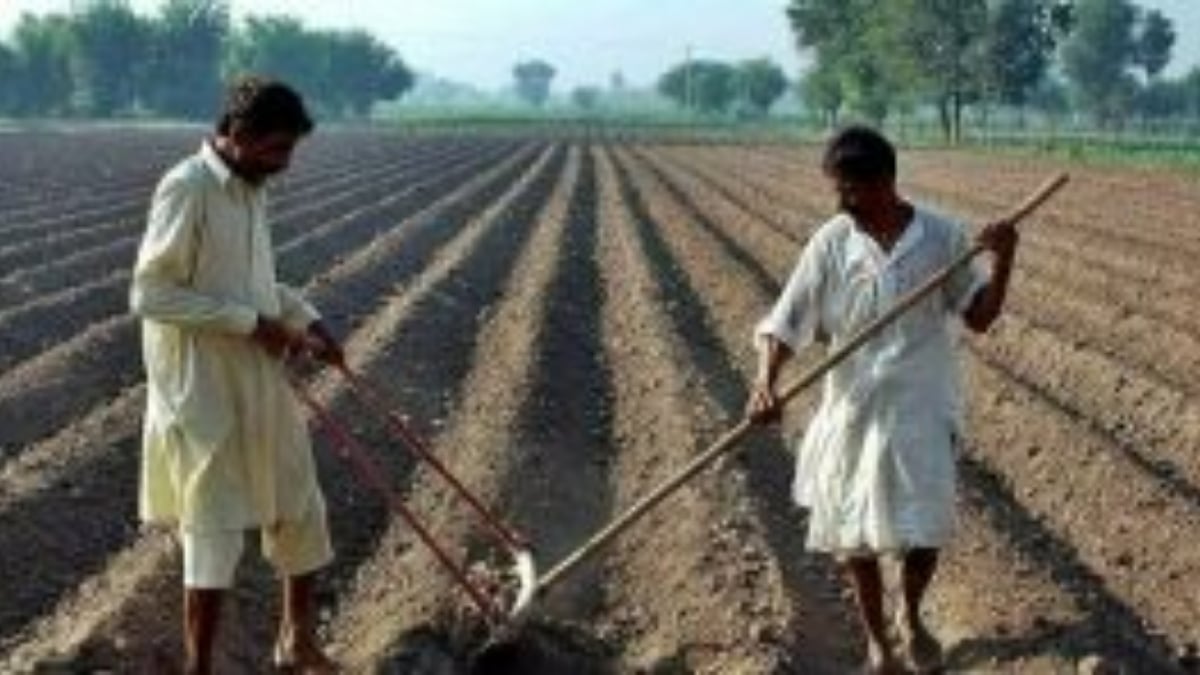
The Sindh cabinet has approved a draft law aimed at strengthening the position of small farmers, livestock breeders and fisherfolk by allowing them to work collectively, while also ordering a crackdown on wheat hoarding and endorsing a series of governance and development reforms.
The decisions were taken during a cabinet meeting chaired by the Chief Minister (CM) of Sindh, Syed Murad Ali Shah, at the Chief Minister’s House.
Addressing a press conference following the cabinet meeting, Senior Minister for Information Sharjeel Inam Memon, Agriculture Minister Sardar Mohammad Bux Maher, Food Minister Makhdoom Mahboobuzaman and Fisheries Minister Mohammad Ali Malkani outlined the measures approved by the cabinet.
Agricultural Reform
The cabinet has approved the final draft of the Sindh Farmers’ Agricultural Collectives Act, 2026, paving the way for its introduction in the Provincial Assembly.
The proposed regulation is intended to empower small farmers, livestock breeders and fisherfolk by enabling them to pool land, resources and machinery, improve access to finance and technology, and connect directly with higher-value markets.
According to the provincial government, the bill was prepared after consultations with farmers’ organizations, the Sindh Chamber of Agriculture, the Sindh Abadgar Board, and the State Bank of Pakistan (SBP).
It defines small farmers as those owning or cultivating between one and 25 acres and extends the collective farming model to livestock and inland fisheries.
The legislation introduces a democratic governance structure based on the principle of “one member, one vote,” mandates representation of women and transgender persons, creates transparent profit-sharing mechanisms, and opens opportunities for participation in carbon-credit and ecosystem-services markets.
It also proposes the creation of the Sindh Agricultural Collectives Regulatory Authority to register and oversee agricultural collectives, provide digital governance platforms, facilitate e-commerce, manage climate and pest risks, and resolve disputes.
The government believes the initiative will promote mechanization, strengthen farmers’ bargaining power, reduce dependence on middlemen and support climate-smart agriculture across the province, the chief minister said.
Wheat hoarding & food security
The cabinet was informed that Sindh is projected to face a wheat deficit of 1.59 million tonnes during the 2026-27 fiscal year, while open market wheat prices have risen above the official support price of Rs.3,500 per 40kg.
Officials said flour mills, traders and private stockists were holding significant wheat stocks, contributing to speculation and higher prices.
The chief minister directed authorities to launch action against wheat hoarders in an effort to stabilize flour prices and protect consumers.
Food dept to be digitized
The cabinet also considered plans to introduce an Integrated Wheat Management System to digitize wheat procurement, storage, transportation, and issuance of wheat across Sindh.
The Science & Information Technology Department endorsed the initiative and recommended the involvement of the Sindh Information Technology Company (SITC).
Murad Ali Shah instructed the Food Department to accelerate digitization, improve transparency, and adopt modern commodity management practices.
The Chief Minister of Sindh also emphasized greater private-sector participation in wheat operations and called for gradually transforming the Food Department into a lean, technology-driven regulatory body focused on policy, oversight and food security.
Sindh Fisheries Security Service
The cabinet approved amendments to the Sindh Registration and Regulation of Fishing Jetties Rules, 2022, following the identification of 64 unauthorized fishing jetties along the province’s coastline.
Under the amendments, the Marine Fisheries Conservation Police will be renamed the Sindh Fisheries Security Service, headed by a District Fisheries Conservation Officer, to oversee monitoring, control, and surveillance of marine resources.
The cabinet also endorsed the already approved expenditure of Rs. 236.55 million for 300 posts and approved an additional Rs. 63 million for the purchase of three speed boats to enhance coastal surveillance and enforcement.
National wheat policy
The cabinet reviewed the draft National Wheat Policy 2026-2030 prepared by the federal Ministry of National Food Security and Research.
The proposed policy aims to shift from government-led wheat procurement to a market-based system, reduce subsidies, encourage regulated private storage, maintain limited strategic reserves, and promote improved seeds and mechanization.
Murad Ali Shah formed a committee comprising the secretaries of Food, Agriculture, and Law to review the policy and submit recommendations on Sindh’s position.
Inclusive education partnership with AKU
The Sindh cabinet also authorized the Department of Empowerment of Persons with Disabilities and Aga Khan University’s Institute for Educational Development to sign a five-year agreement on inclusive education.
The program aims to establish a Special Education Unit, train more than 2,000 teachers, develop model schools and learning resources, and benefit around 24,000 students.
The Sindh government will contribute Rs.278.56m, while the university will provide Rs.160.65m.