
Sindh to form water task force
- By Noman Awan -
- Jul 21, 2026


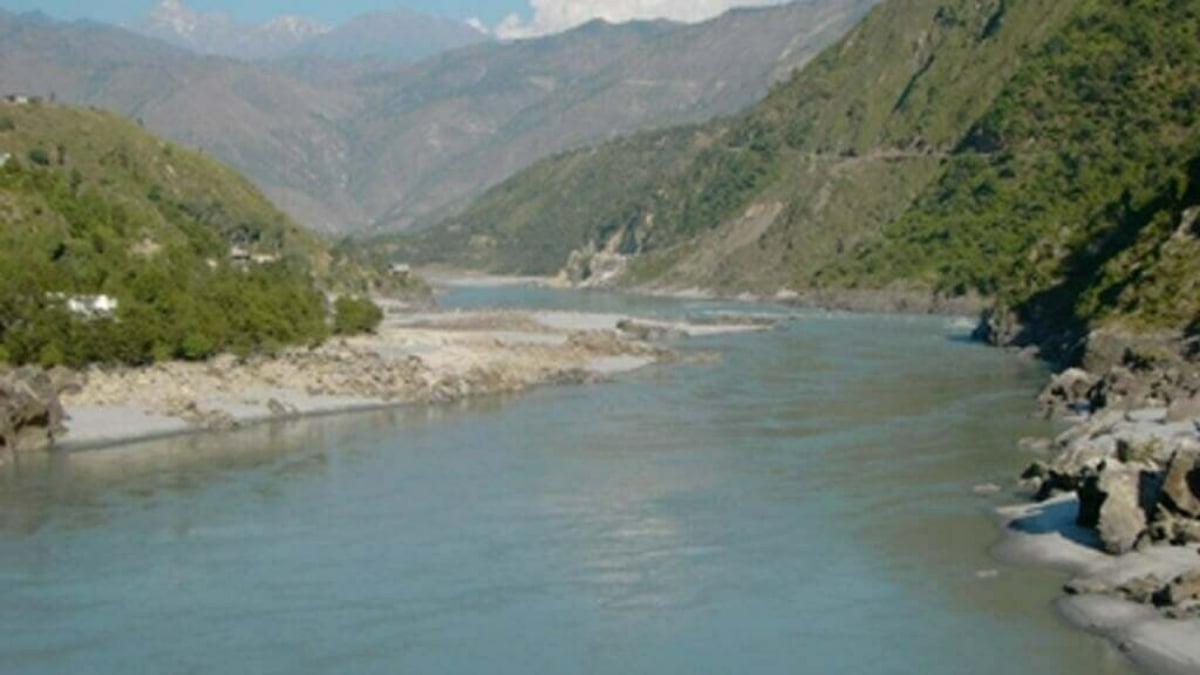
The Chief Minister of Sindh, Syed Murad Ali Shah, has said that the provincial government would establish a task force of experts to examine water-related issues, including the Indus Waters Treaty, the 1991 Water Apportionment Accord and shortcomings in their implementation.
Speaking to reporters in Karachi following the closing session of the First IAP and PSOA International Insurance Conference 2026, the Chief Minister of Sindh said the panel would also assess the potential losses Sindh could face because of water shortages.
Murad Ali Shah said Sindh had consistently received less water than its allocated share, describing India’s water aggression as a serious concern for Pakistan.
He said that while each province was entitled to its designated share under existing arrangements, Sindh and two other provinces were facing shortages, whereas Punjab remained in surplus.
He said decisions regarding the Cholistan canals had already been taken and were being implemented. He added that Sindh’s objections to the Jalalpur Canal had been referred to the Council of Common Interests (CCI).
CM Sindh further said that the provincial government had repeatedly raised concerns over the telemetry system and the functioning of the Indus River System Authority (IRSA).
The provincial cabinet is scheduled to meet on Thursday, 23 July 2026, and would consider the formal establishment of the experts’ task force.
Turning to wheat, the chief minister said adequate stocks were available in the country. Sindh had produced a record 4.9 million tonnes of wheat this year, while Punjab had also recorded a strong crop. He said Sindh’s annual requirement stood at about 1.7 million tonnes.
Murad Ali Shah said the Sindh government had recovered more than 200,000 tonnes of wheat in operations against hoarders, while the Punjab government was also acting against stockpiling. He urged the federal government to ensure the release of locally available wheat into the market instead of resorting to imports.
Recalling the 2024 wheat imports, Mr Shah said they had harmed growers and affected the following crop cycle. “We are ensuring the availability of wheat while also protecting the interests of our farmers,” he said.