
New research shows how apps turn smart TVs into AI scraping nodes
- By Web Desk -
- Jun 06, 2026


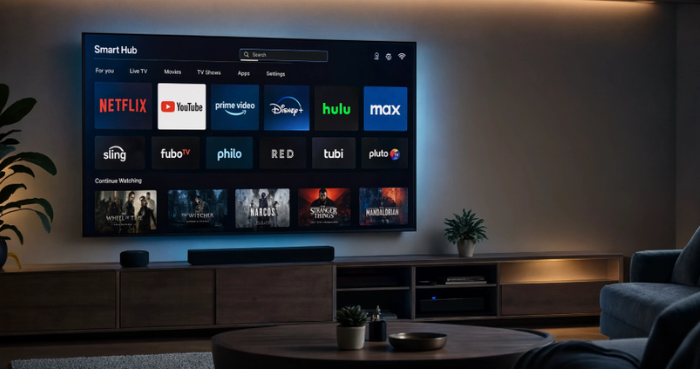
A cybersecurity researcher has reverse-engineered the iOS Software Development Kit (SDK) used by Bright Data. The analysis reveals how the company turns consumer devices, such as always-on smart TVs and smartphones, into exit nodes that relay substantial web-scraping traffic for the AI industry.
Bright Data, formerly known as Luminati, operates what it claims is the largest residential proxy network globally, with more than 400 million residential IPs. A large part of this network comes from an SDK integrated into free consumer apps, which operates behind a straightforward opt-in process.
The findings, released on June 5 by Include Security and independent researcher Buchodi, underscore an increasing privacy issue. The scraping process leverages the user’s home IP and internet connection. Although this doesn’t directly lead to data theft, it essentially transforms a home connection and its unlimited bandwidth into another entity’s scraping platform.
According to the research, the peer channel that carries these scraping jobs lacks proper authentication. On iOS devices, the traffic actively bypasses configured VPNs and remains hidden from standard security monitoring tools. The device can continue relaying data in the background as long as the battery isn’t severely depleted.
Furthermore, the research revealed a significant gap between the user consent screen and the SDK’s actual behavior. While apps like the Roku channel Petflix claim to use the connection “occasionally,” the SDK is actually configured to allow up to 200 GB of proxy traffic per month.
This proxy model has experienced a significant resurgence amid the artificial intelligence boom. Since major cybersecurity companies block data center IPs, AI data harvesters now use residential connections to bypass anti-bot measures.
Although platforms such as Google, Amazon, and Roku have recently restricted background proxy SDKs, Bright Data continues to support systems like Samsung’s Tizen and LG’s webOS.
Cybersecurity experts suggest using router-level tools like Pi-hole or NextDNS to block Bright Data’s specific connection domains, effectively preventing the device from functioning as a hidden relay node for users wanting to conserve bandwidth.