
Sony clears up confusion over physical PS5 games after 2028
- By Maria Lopez -
- Jul 04, 2026


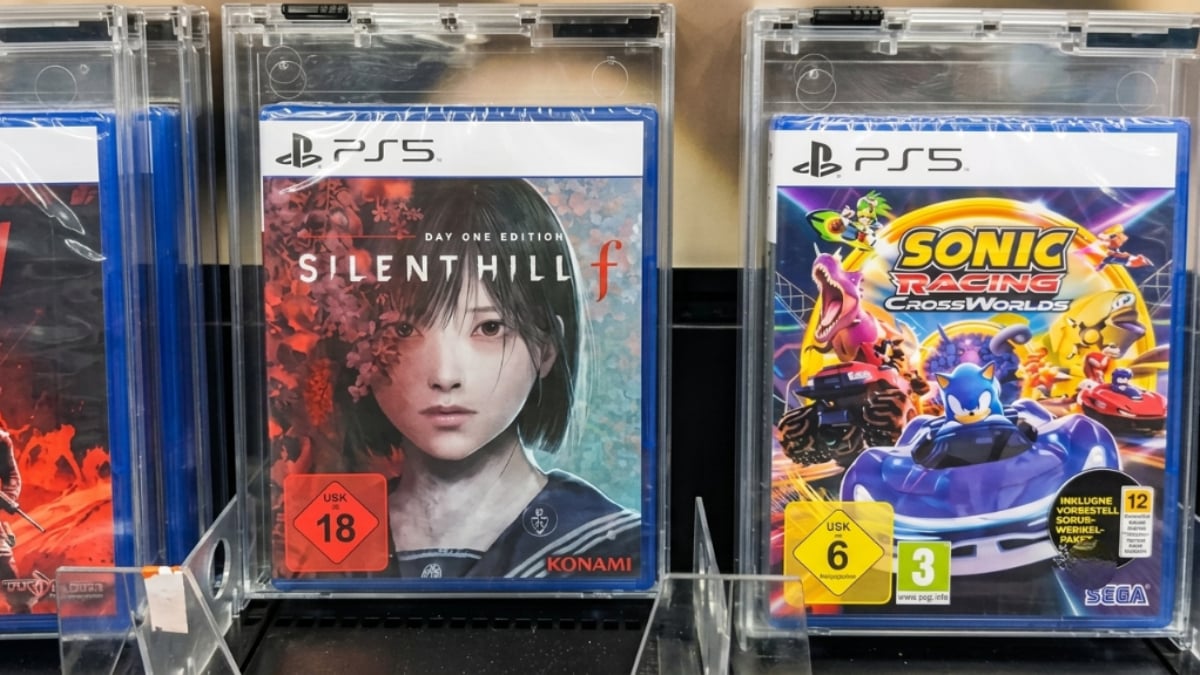
The fine print significantly restricts Sony’s claim that it will continue to support physical PlayStation games after January 2028. A revelation from Game File reveals that Sony has discreetly informed partner developers and retailers that “support” will refer to two distinct categories moving forward, neither of which includes new disc-based games as fans currently know them.
These two categories supposedly consist of ordering non-disc physical inventory (such as “code in a box” formats) and reordering physical games that were already launched prior to January 2028. While the exact details of the first category remain relatively unknown, Sony might employ a format similar to the physical release of Grand Theft Auto 6, which uses a download code inside a box, or opt for alternative solutions like tangible gift cards. In any event, large retail boxes containing a pressed disc will no longer be the preferred choice for new releases.
Conversely, any PS5 or PS4 game in disc format available in stores by the end of 2027 could theoretically continue to be reprinted for many years, as Sony’s wording explicitly allows partners to reorder titles launched before the cutoff date. Therefore, instead of producing discs for new retail SKUs after January 2028, Sony plans to transition entirely to these non-disc physical alternatives.
Currently, Sony requires publishers to use SIE-approved manufacturers, where the digital master image licensed by replicators is used to press retail discs for physical PS5 copies. Through this system, Sony controls packaging, quality assurance, and anti-piracy measures, allowing them to collect licence fees on all physical copies. Under the new policy, they can unilaterally cease creating disc copies for new games despite concerns from their own developers. While the ultimate appearance of non-disc physical inventory in stores will change, Sony’s timeline is unlikely to be impacted by the public outcry from gamers criticising the choice as anti-consumer.