
Top Indian LNG importer warns supply issues from Mideast war
- By AFP -
- Mar 04, 2026


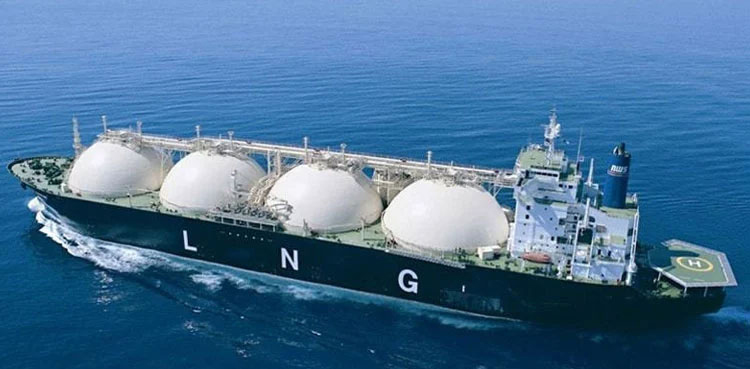
MUMBAI: India’s top liquefied natural gas importer has warned of disruptions in some operations because of the war in the Middle East, sparking concerns of tighter supplies in the country.
Petronet LNG, in a stock exchange notification issued late Tuesday, noted that vessels were unable to safely move through the Strait of Hormuz to reach “Ras Laffan, the loading port of QatarEnergy”.
QatarEnergy — which suspended LNG production earlier this week — is a key supplier for the Indian importer.
As a result, Petronet LNG said it had issued a force majeure notice to QatarEnergy “in respect of its LNG tankers, namely Disha, Raahi, and Aseem” and also received one from the firm.
It also has sent force majeure notices to its “off-takers” or domestic customers including GAIL (India), Indian Oil Corporation and Bharat Petroleum Corporation.
“The likely impact… cannot be estimated at this point of time,” the company said, without offering further details.
Local media noted that several domestic gas companies have already warned industrial customers of a small cutback in supplies.
India, which relies heavily on oil and gas imports to meet its energy needs, warned on Tuesday the war could have “serious consequences” for its economy.
The petroleum ministry has sought to assuage concerns, noting that the country’s reserves are “reasonably comfortable”, and that it may look to adopt “phased measures” if required to mitigate the fallout.
The Hindu newspaper, quoting unidentified sources, said India had “reserves of crude oil for 25 days” and an LNG supply for the “next two-three weeks”.
Experts say India and other South Asian nations such as Bangladesh and Sri Lanka are especially vulnerable to the effects of rising oil prices.
Sri Lanka will face among the “heaviest” drags on GDP because of its “existing external financial pressures”, analysts at BMI, a unit of Fitch Solutions, said in a note.
India will “face the next tier of pain” given its “high crude import dependence”.