
Tyrannosaurus rex babies were born the size of house cats
- By Kumail Shah -
- Jul 16, 2026


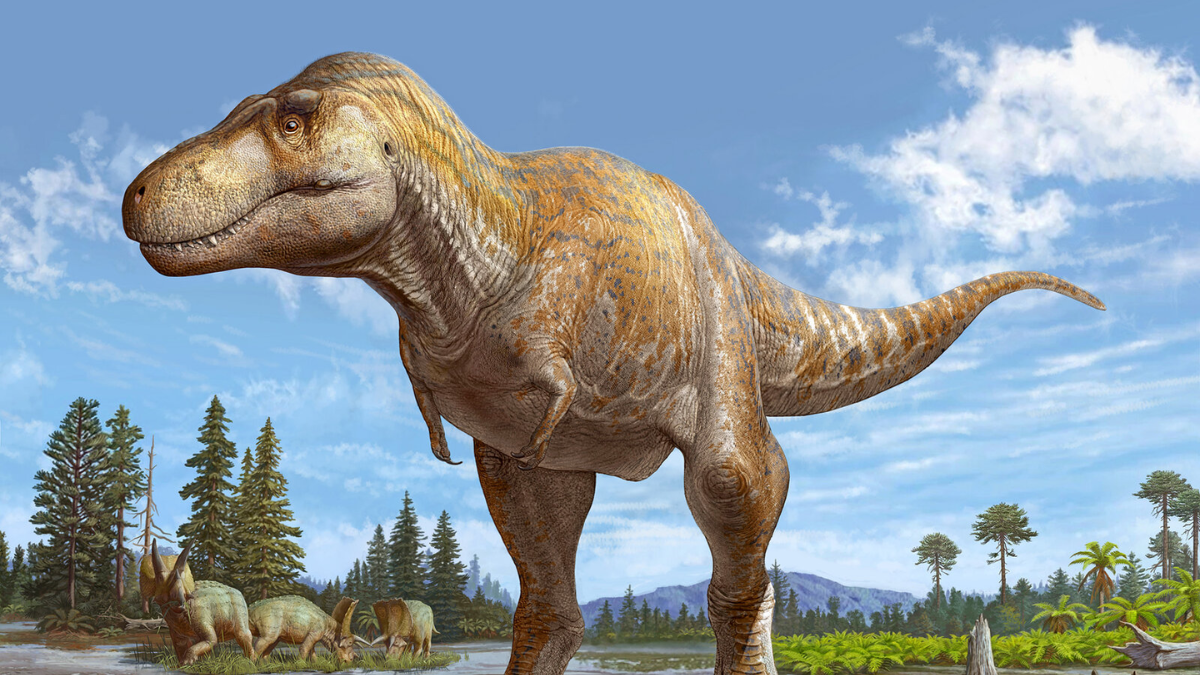
Tyrannosaurus rex is known as one of the largest predators ever to walk the Earth, reaching heights of 13 feet and weighing nearly 9 tons. Given its enormous adult size, it would be easy to assume that its young started just as formidable.
But new findings published in the journal Biology reveal a surprising truth: baby T. rex dinosaurs were much smaller than expected.
Hatchlings were about the size of a house cat, weighing under five pounds and stretching just two and a half feet long.
Despite their small size, these young predators were able to run and hunt almost immediately after hatching, needing little assistance from their parents.
Researchers made this discovery by searching museum collections for tiny bones and teeth dating to the Late Cretaceous in North America. Because the bones of baby dinosaurs are so delicate, many have gone unnoticed for years.
To confirm they had found young tyrannosaurs, the team identified unique features, such as a middle foot bone marked by a deep pit and ridge.
READ MORE: New 3-foot-tall relative of Tyrannosaurus rex found!
To study the bones without causing damage, the team turned to high-resolution X-ray scans. These scans revealed evidence of mechanical stress, indicating that the hatchlings were already active and mobile.
The condition of their teeth also pointed to a diet that included larger prey, not just insects, soon after they emerged from their eggs.
The researchers also examined fossils from Gorgosaurus, a close but smaller relative of T. rex. These hatchlings were estimated to weigh just 2.9 pounds.
Using mathematical models, the team estimated that a T. rex could have laid anywhere from 15 to 30 eggs in a single clutch, with the possibility of even larger clutches reaching up to 100 eggs.
According to the researchers, these fossils suggest that dinosaur parenting represented a middle ground in evolution between reptiles and birds. Reptiles tend to lay many eggs with little parental care, while modern birds lay fewer eggs and devote significant effort to raising their young.
Dinosaurs such as T. rex appear to have produced numerous offspring, but invested less in parenting than birds do today.