
UAE introduces first national payment card 'Jaywan'
- By Muhammad Abuzar Usama -
- Jul 20, 2026


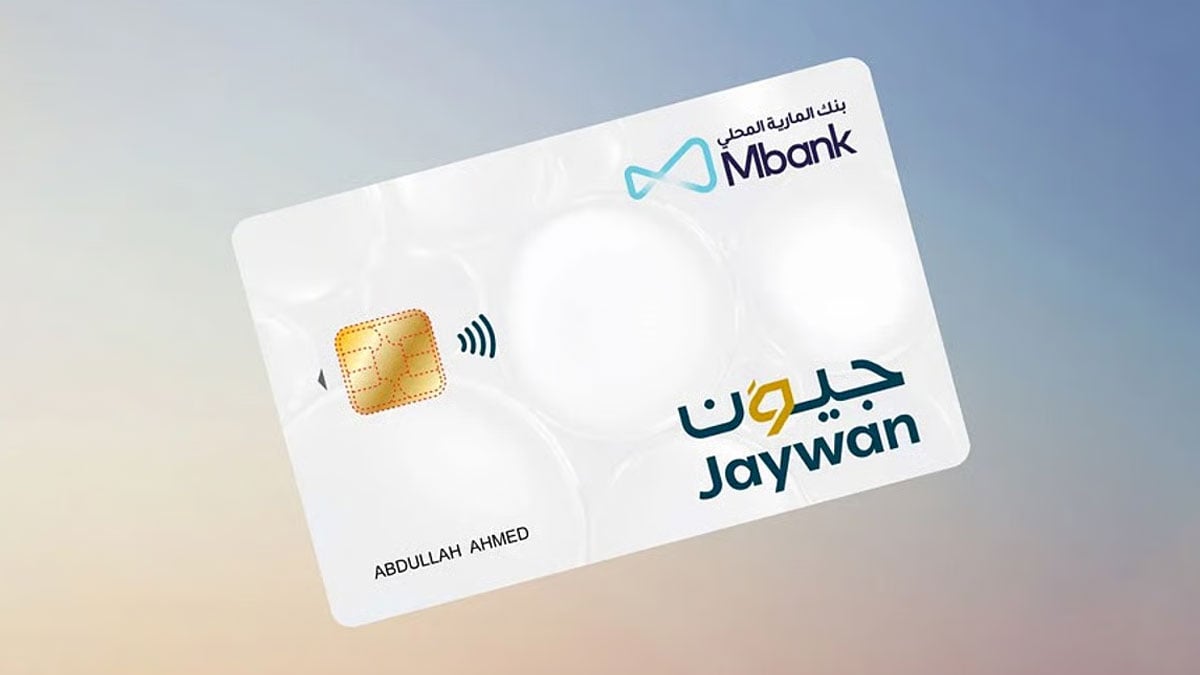
DUBAI: UAE residents will gain wider access to Jaywan cards after the country formally started nationwide issuance through banks, licensed financial institutions and exchange houses.
The rollout follows the official inauguration of Jaywan, the UAE’s first national card scheme, by Sheikh Mansour bin Zayed Al Nahyan, Vice President, Deputy Prime Minister, Chief of the Presidential Court, and Chairman of the Board of Directors of the Central Bank of the UAE.
Banks and other licensed institutions will issue the cards in phases over the coming months.
First Abu Dhabi Bank has launched a Jaywan debit card, Commercial Bank of Dubai is introducing Jaywan prepaid cards, and Network International has enabled online payments across thousands of merchants in the UAE.
Together, the announcements cover three parts of the payment system: cards linked to bank accounts, prepaid alternatives and wider online acceptance.
Jaywan supports payments at shops and online, ATM withdrawals and compatible digital wallets.
International use will depend on the card issued and applicable rules.
What is Jaywan?
Jaywan is operated by Al Etihad Payments, a subsidiary of the Central Bank. It provides a domestic network through which card transactions can be routed, authorised and processed.
International networks have traditionally handled much of this process. Jaywan creates a locally governed alternative intended to strengthen the UAE’s control over its payment infrastructure and keep domestic payment data within the country.
Sheikh Mansour highlighted how the nationwide issuance marked a strategic step that strengthened the UAE’s sovereignty over its financial infrastructure.
“This achievement reflects the UAE’s commitment to developing a more efficient, resilient and competitive financial sector that unlocks broader opportunities for innovation, promotes financial inclusion, and further strengthens the UAE’s position as a leading global financial hub,” he said.
Debit, prepaid, credit
Jaywan products can include debit, prepaid and credit cards. What customers can obtain will depend on their bank or issuing institution.
Ali Al Najjar, Chief Executive Officer of Al Ansari Exchange, said: “ The importance of Jaywan lies in its role as a comprehensive national payment scheme that provides a secure and reliable payment option across point-of-sale terminals, e-commerce platforms, ATMs, and digital wallets.
This integrated ecosystem will enhance the customer experience, promote greater financial inclusion, and create new opportunities for innovation in financial products and services.
“The participation of banks, financial institutions, and licensed exchange houses reflects the strong collaboration between the Central Bank of the UAE and the wider financial sector. It also opens the door for the development of more efficient and accessible payment solutions that meet the evolving needs of both individuals and businesses.”
FAB’s Jaywan debit card is available to customers with eligible accounts. Existing customers can apply through the FAB Mobile app or at a branch, while Elite and Private Banking customers can contact their relationship managers.
Residents without a FAB account must open an eligible account before applying. As a debit card, money spent or withdrawn comes directly from the linked account. The card can be used at merchant outlets across the UAE, on UAE-based online platforms and at ATMs nationwide.
It also supports compatible digital wallets, 3D Secure authentication for online transactions, and Chip and PIN technology for in-person purchases. FAB did not disclose issuance fees, eligible account categories, rewards or other card charges.
CBD prepaid cards
CBD’s product will be a prepaid card rather than a debit card. Users must load money onto it before spending, and transactions are limited to the available balance.
The bank said the cards would be issued under a corporate arrangement but used by retail customers. It did not disclose a public application process, launch timetable, loading limits or fees.
The cards will support purchases at shops, online payments, ATM withdrawals and contactless transactions. They can also support tokenisation, which replaces card details with a digital identifier when used through compatible mobile wallets.