
Ultra-processed foods may harm brain health and attention spans
- By Kumail Shah -
- May 04, 2026


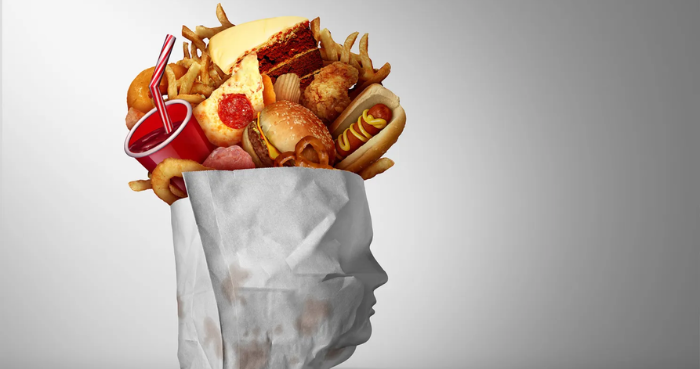
For years, doctors have warned that potato chips, cookies, and sodas may contribute to weight gain, heart disease, and shorten lifespan. Now, a new study adds evidence that they might also impair cognition and mental functions.
Australian researchers examined the diets of 2,200 middle-aged adults to see how their food choices influenced cognitive abilities, with special attention to ultra-processed foods.
Although there is no universal definition, these foods are generally considered products with more than five ingredients or at least one ingredient not typical in home cooking.
The study revealed that people who consumed more ultra-processed foods exhibited poorer focus and poorer cognitive health. A 10 percent increase in such foods—about one standard packet of chips daily—was linked to shorter attention spans and higher dementia risk scores.
Dr. Barbara Cardoso, a nutritional biochemist at Monash University who led the research, explained that this noticeable decline in focus reflected lower scores on cognitive tests measuring visual attention and processing speed. While the study did not specify exactly how these foods damage brain health, researchers hypothesize that processing may strip away essential nutrients and introduce harmful chemicals.
They pointed out that these foods might contain substances like acrylamide, phthalates, or bisphenols, which can harm neurons or blood vessels. The paper warned that such chemicals could cause cerebrovascular damage, leading to cognitive issues and increasing dementia risk, which currently affects seven million Americans.
This observational study, published in Alzheimer’s and Dementia, surveyed participants from 2016 to 2023. The mostly female cohort, aged 40 to 70, derived about 41 percent of their calories from processed foods.
Common sources included dairy-based desserts, soft drinks, packaged salty snacks, and processed meat. Today, about 53 percent of all calories consumed by adults in the US come from ultra-processed foods, and nearly 62 percent for children.
Although researchers did not find a direct link between ultra-processed food consumption and memory loss, the findings suggest that the additives and processing methods themselves are harmful.
While some experts push back on broad warnings, health officials continue to urge people to significantly limit their consumption of these foods to boost overall health.