
US vows to punish Iran after Houthis strike tankers
- By AFP -
- Jul 24, 2026


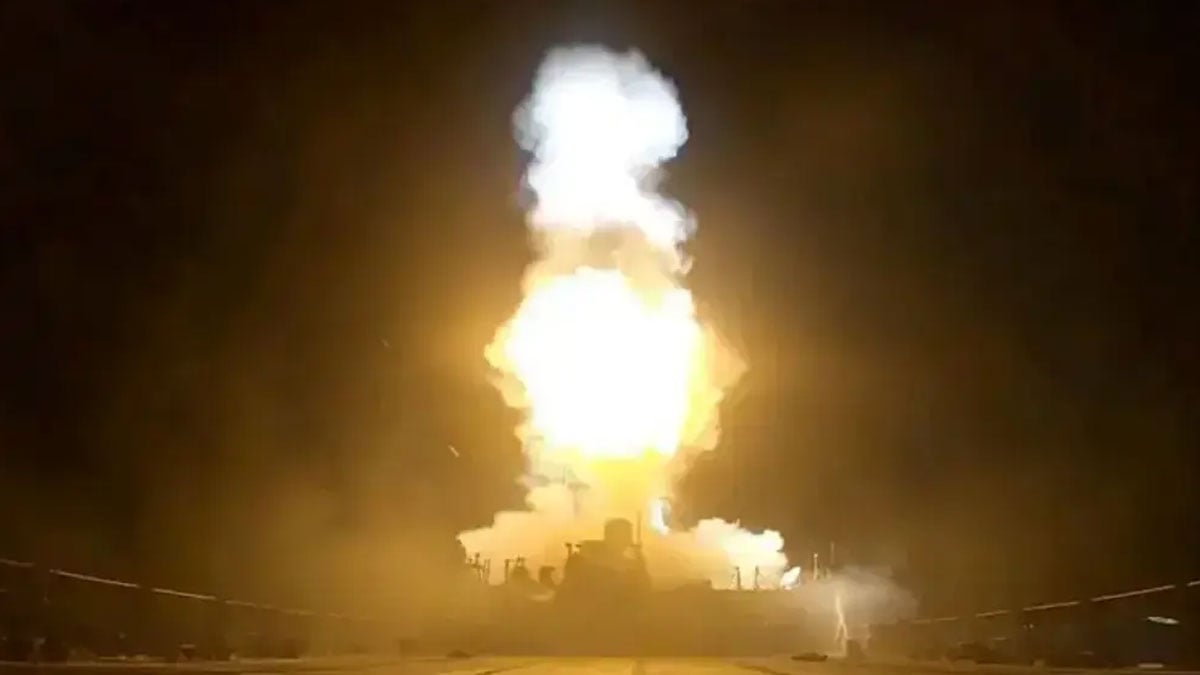
The United States launched a fresh wave of strikes on Iranian military targets early Friday, marking the thirteenth night of active combat in the region as President Donald Trump vowed to use frozen Iranian assets to pay for any damage to shipping.
The latest volley comes the night after Houthis in Yemen opened a new front in the war with attacks on oil tankers in Red Sea shipping lanes — though US Central Command (CENTCOM) did not specifically mention the rebel blockade in announcing the latest offensive.
Iranian state media reported that US missiles hit the southwestern city of Ahvaz, and explosions were heard in nearby Omidiyeh, as well as the port city of Bandar Abbas and the island of Qeshm on the Strait of Hormuz.
CENTCOM said the attacks “aimed to hold Iran accountable and diminish threats from the Islamic Revolutionary Guard Corps to commercial shipping”.
Oil prices soared along with the increased threat to the energy trade.
Trump said the United States would hold Iran responsible for the Houthis’ actions and warned both would soon receive a “major military punishment”.
The international oil benchmark Brent crude surged past $100 a barrel for the first time since May, up seven percent, while world leaders expressed alarm over the Houthi Red Sea attacks.
“The situation is getting out of control. It is teetering on the edge of the unimaginable,” United Nations Secretary-General Antonio Guterres warned.
“One crisis feeds another. One escalation triggers the next,” he told a meeting of the UN Security Council.
European Central Bank President Christine Lagarde warned “the energy shock could intensify further” and push up inflation, feeding speculation about a September eurozone interest rate hike.
Read more: US House passes $1 trillion defense bill despite Iran, Israel concerns
German Defence Minister Boris Pistorius, meanwhile, warned of “dire consequences” for oil-importing economies and said “nothing — absolutely nothing — suggests that a ceasefire, let alone peace, could be reached”.
The war resumed this month after a ceasefire that had lasted just a few weeks, throwing the region back into chaos as Iran and the United States battled for control of the vital Strait of Hormuz.
“The armed forces’ retaliatory attacks will continue as long as the US attacks on the country’s infrastructure and coastal areas continue,” Iran’s army spokesperson Mohammad Akraminia said, according to state television.
Yemen’s Houthis joined the conflict this week, declaring a blockade of Saudi ports and claiming attacks on tankers.
Jordan and Kuwait both reported intercepting strikes as Iran’s military and Revolutionary Guards claimed to be targeting US assets in both countries.
Late Thursday, Trump said on social media that the US would begin using frozen Iranian assets “that the United States has in its possession, and controls” to pay for “any and all damages done to Ships, Cargo or anything related” in the region.