
Volcanic eruptions in the Andes triggered massive ocean changes millions of years ago
- By Kumail Shah -
- Apr 25, 2026


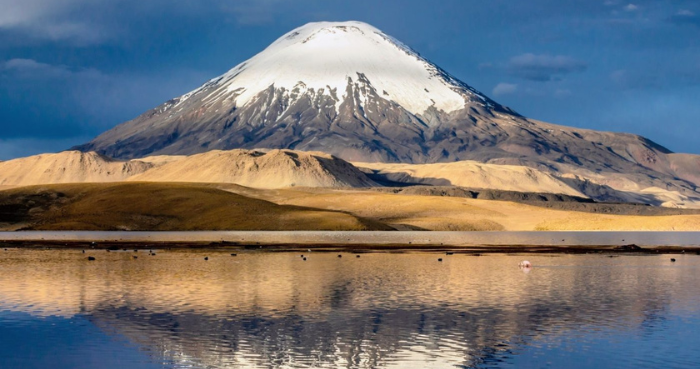
Around seven million years ago, during the Late Miocene, the ocean around South America experienced a major biological shift. Microscopic algae called diatoms flourished rapidly, deep ocean waters stored more nutrients, and the Earth’s climate gradually cooled.
For many years, scientists debated what caused these interconnected environmental changes. Now, a groundbreaking study shows that intense volcanism in the towering Andes directly triggered these global shifts by fertilizing the ancient oceans.
Led by researcher Barbara Carrapa from the University of Arizona, the team used fossil data, chemical analyses, and sophisticated computer models to demonstrate that volcanic ash cooled the planet.
The Andes, the longest active volcanic arc on Earth, includes the Altiplano-Puna Volcanic Complex, which experienced recurrent supereruptions between 8 and 4 million years ago. These eruptions released large amounts of ash loaded with vital nutrients such as iron, phosphorus, and silicon.
Westerly winds carried this nutrient-rich ash eastward across the South Atlantic and into the Southern Ocean, fueling a massive bloom of silica-constructing diatoms.
This sudden influx of nutrients drastically changed the marine food web. Sediment records show sharp increases in diatom activity coinciding with major Andean eruptions.
As a result, baleen whales grew much larger, evolving from an average of sixteen feet to huge thirty-nine-foot giants. Today’s large marine mammals, including blue whales, trace their enormous size back to this volcanic fertilization event.
This biological boom also had significant consequences. Fossil records along the Pacific coasts of Peru and Chile reveal extensive whale graveyards, indicating that excessive nutrient runoff repeatedly triggered deadly algal blooms.
To thoroughly test this theory, researchers utilized advanced computer models to simulate these historic volcanic events.
They quickly discovered that repeated eruptions spaced 75 years apart doubled ocean surface diatom growth within just 2 years, allowing the thriving ocean to aggressively remove more carbon dioxide from the atmosphere.
Over thousands of years, this continuous carbon reduction significantly cooled the global climate.
Combined with other natural factors, such as the strengthening Humboldt Current and nutrient recycling from booming whale populations, explosive Andean volcanism perfectly orchestrated this dramatic climate shift.
Experts strongly emphasize that understanding these massive historic feedback loops directly improves our ability to anticipate future global climate changes.