
What will humans eat if all crops destroyed?
- By Sheeraz Soomro -
- Jun 04, 2026


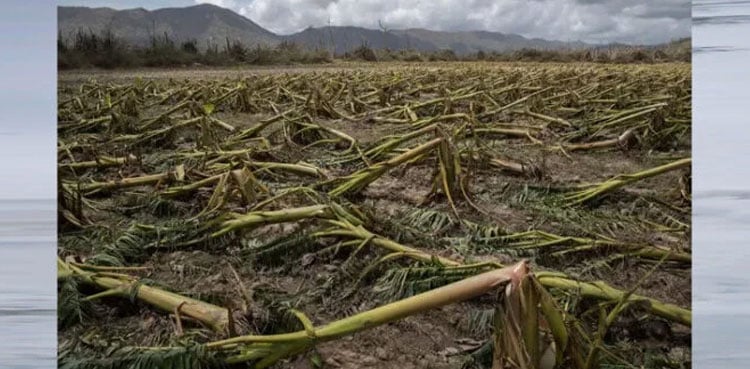
As concerns over climate change, geopolitical instability and food security continue to grow, an extraordinary facility in the Arctic is serving as a global insurance policy for agriculture.
The Svalbard Global Seed Vault, located in Norway’s remote Arctic archipelago, has been established to preserve crop diversity and protect the future of the world’s food supply.
Built deep inside a mountain on the island of Svalbard, the underground repository stores seeds from thousands of crop varieties collected from countries across the globe. The facility acts as a secure backup for gene banks, ensuring that vital agricultural resources can be recovered in the event of natural disasters, conflict, pandemics or other large-scale emergencies.
Often referred to as the “Doomsday Vault,” the structure is concealed beneath layers of rock, ice and permafrost. Despite its remote location, it plays a critical role in safeguarding some of the world’s most valuable agricultural assets.
The vault contains millions of seed samples, including staple crops such as wheat, rice and maize. These preserved reserves could help restore food production systems if crop varieties are lost due to disease outbreaks, environmental disasters or other threats.
Scientists discover how ‘Xanthomonas’ bacteria steals nutrients from crops
Scientists note that the region’s naturally low temperatures provide ideal conditions for long-term seed preservation. In addition, the facility has been specifically engineered to withstand extreme events, including earthquakes, flooding and other potential global disruptions.
Experts urge that while the seed vault offers an important safety net for humanity, long-term food security ultimately depends on addressing climate change and protecting ecosystems.
They argue that preventing environmental crises remains the most effective way to reduce the need for emergency measures and ensure a stable agricultural future.