
Why Wuthering Heights Might Be a Surprise Success
- By Manaksha Memon -
- Jan 14, 2026


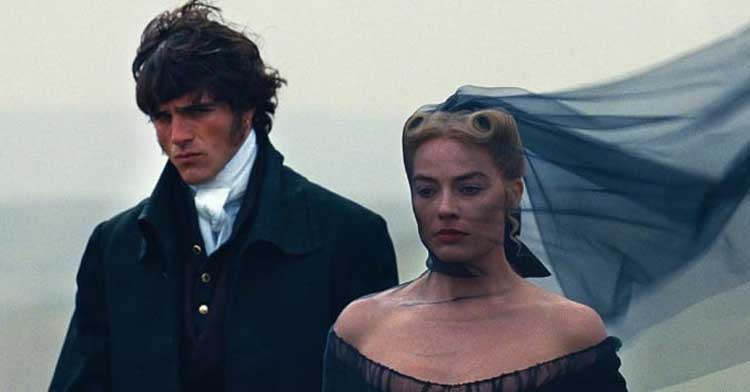
The upcoming adaptation of Emily Brontë’s Wuthering Heights, starring Margot Robbie as Catherine Earnshaw and Jacob Elordi as Heathcliff, arrives in theaters February 13, 2026—just in time for Valentine’s Day.
Directed by Emerald Fennell (Promising Young Woman, Saltburn), this bold reimagining has sparked controversy with its provocative style, anachronistic costumes, and casting choices. Yet these very elements position it as a potential breakout hit.
Fennell’s take is loosely “inspired by” the 1847 novel, not a strict retelling. It amps up the primal, sexual intensity of the obsessive romance and revenge tale set on the Yorkshire moors. Trailers showcase steamy chemistry between Robbie and Elordi, surreal visuals, and modern flair—like era-blending outfits and Charli XCX tracks—drawing fans of edgy gothic stories over traditional period pieces.
Casting has divided opinions: Robbie, blonde and in her 30s, portrays the typically brunette, youthful Catherine, while Elordi’s role as the racially ambiguous Heathcliff (described in the book as “dark-skinned”) prompted whitewashing accusations. Robbie defended the pair, praising Elordi’s talent, and Fennell noted he matched her teenage book’s illustration perfectly. These risks mirror Fennell’s boundary-pushing approach that made Saltburn a viral sensation despite backlash—controversy often fuels buzz and social media chatter.
Margot Robbie’s star power is a major draw. Fresh from Barbie‘s blockbuster success, she produces via LuckyChap Entertainment, securing Warner Bros.’ commitment to a wide theatrical release and strong marketing. Paired with Elordi’s rising fame (Euphoria, Saltburn), their electric on-screen dynamic—seen in sweaty, passionate trailer moments—promises date-night appeal.
The R-rated film (136 minutes) embraces the novel’s darker sides: cruelty, toxicity, and raw emotion, with reports of intense test screenings. Past adaptations often softened these for safe romance; Fennell’s version leans into eroticism and abrasion, potentially redefining the classic for modern viewers craving bold, conversation-starting cinema.
In a packed 2026 slate, built-in hype from debates, A-list leads, visionary direction, and timely romantic positioning could turn Wuthering Heights into the year’s surprise success. Love it or hate it, this stormy tale is set to dominate discussions. Catch it February 13, 2026—it might just sweep you away.