
Wuthering Heights Review- Margot Robbie and Jacob Elordi's Torrid Romance Redefines Gothic Passion
- By Izay Ayesha -
- May 02, 2026


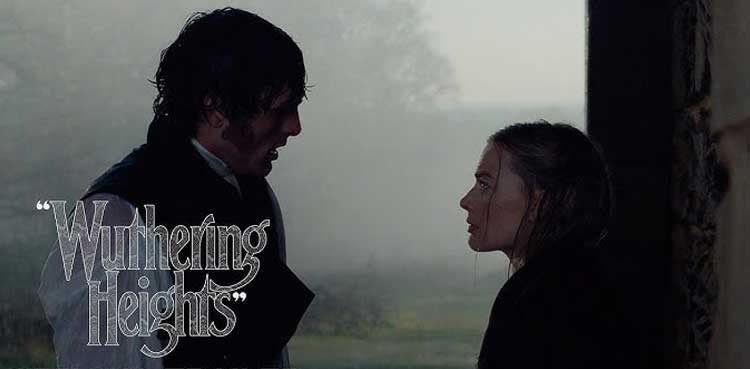
As a lifelong cinephile who’s devoured every adaptation of Emily Brontë’s masterpiece—from the brooding 1939 classic to the raw 2011 version—Emerald Fennell’s Wuthering Heights (2026) feels like a lightning bolt across the Yorkshire moors.
This isn’t your grandmother’s period drama; it’s a visceral, unapologetically steamy reimagining that amplifies the novel’s themes of obsession, class warfare, and destructive love.
With Margot Robbie and Jacob Elordi leading the charge, the film captures the aching essence of forbidden desire in a way that’s both hypnotic and heartbreaking. If you’re searching for a fresh take on Wuthering Heights, this bold vision might just sweep you away.
The story, set against the windswept English countryside, follows the tumultuous bond between Catherine Earnshaw (Robbie) and the enigmatic orphan Heathcliff (Elordi). Adopted into her family but forever an outsider, Heathcliff’s return after years away ignites a firestorm of passion, revenge, and madness. Fennell wisely skirts spoilers, focusing instead on the emotional whirlwind that defines Brontë’s gothic tale. It’s a narrative of souls intertwined yet doomed, where love isn’t pretty—it’s raw, toxic, and all-consuming.
Margot Robbie is nothing short of transcendent as Catherine, bringing a fiery, modern edge to the character’s wild spirit. She embodies the privilege and petulance of a woman torn between societal expectations and her primal urges, delivering lines with a posh ferocity that cuts like a knife. Jacob Elordi, fresh off his brooding turns in Saltburn and Frankenstein, channels Heathcliff’s simmering rage and vulnerability with magnetic intensity.
His physical presence—towering, disheveled, and utterly commanding—adds a layer of raw sensuality that’s impossible to ignore. Together, their chemistry is electric: think explosive tension that leaps off the screen, full of yearning glances and charged confrontations that leave you breathless. It’s the kind of pairing that elevates the film from adaptation to event, making every whispered promise and heated argument feel palpably real.
Fennell’s direction is unrestrained and garish in the best way, turning the classic on its head with a provocative flair. She infuses the story with contemporary anachronisms—a bombastic Charli XCX soundtrack, suggestive visuals like corsets and rain-soaked embraces—that might irk purists but amplify the timeless chaos of love. The cinematography by Linus Sandgren is spellbinding, capturing the moors’ misty desolation in vibrant, almost painterly shots that evoke both beauty and dread. Production design and costumes shine too: sublime sets that feel lived-in and opulent, outfits that blend historical accuracy with a sexy, modern twist. It’s a visual feast, positioning Wuthering Heights as an awards contender in technical categories.
That said, the film isn’t without flaws. At over two hours, it occasionally drags in its salacious detours, and the liberties taken with accents and casting (Elordi’s white Heathcliff has sparked whitewashing debates) make it divisive. If you’re a die-hard Brontë fan expecting fidelity, this might feel like a betrayal—reducing profound tragedy to lusty spectacle. But for those open to reinterpretation, it’s intoxicating and daring, a god-tier update that explores yearning in a fresh light.
In the end, Wuthering Heights (2026) is a rip-roaring crowd-pleaser that destroys your soul while making you fall in lust. Margot Robbie and Jacob Elordi deliver performances that soar, backed by Fennell’s visionary craft. It’s not perfect, but it’s passionate—a must-see for anyone craving gothic romance with a horny edge.
Rating: 4.5/5 stars.
Catch it in theaters for the full, tear-jerking impact.