
Australia confirms local transmission of H5 bird flu
- By AFP -
- Jul 29, 2026


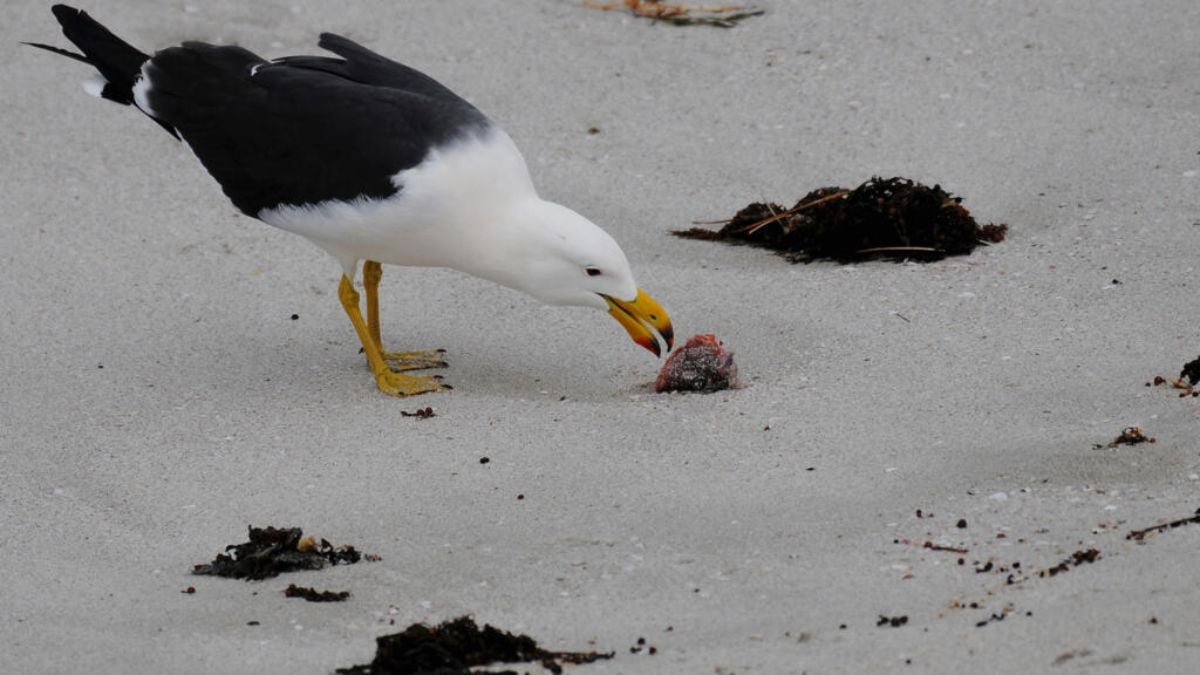
SYDNEY: The highly contagious H5 bird flu virus has started spreading locally among wild birds in Australia, the nation’s chief veterinary officer said Wednesday.
Australia was for years the only continental landmass free of the H5 strain, which has caused severe disease and death in poultry and wild birds worldwide.
“This news of some local transmission may mean we start to see wider spread among wild birds,” chief government veterinary officer Beth Cookson told reporters.
“Once the virus becomes widespread in wild bird populations, it will not be possible to avoid losses in susceptible wildlife.”
The first Australian case was discovered in a migratory sea bird in June, with scientists warning it was a matter of time until it infected local populations.
Testing had shown the virus spreading among populations of the greater crested tern living on the coast in South Australia state.
“While this is a concerning development, it is not unexpected for us to see local transmission in birds that share a coastal habitat,” Cookson said.
Agriculture Minister Julie Collins said there was “no evidence of mass mortalities” to date, and little risk to human health.
Australia’s poultry industry remained unaffected, she added.
READ MORE: $32M COVID fraud fugitive caught in Jamaica, extradited to US
The national science laboratory this week confirmed seven cases in greater crested terns in South Australia, bringing the national total to 27 positive detections.
The wild birds most affected by the H5 strain include waterfowl, shorebirds, seabirds and birds of prey.
Extinction risks
Marine mammals have also been affected, with some detections in other animals like cats, goats, alpacas and pigs.
Four suspected cases of bird flu were reported Wednesday on Kangaroo Island, a popular tourism destination in South Australia that is home to a significant population of endangered sea lions.
South Australia’s minister for primary industries, Clare Scriven, told reporters beach tours would be suspended to protect the animals.
There has been concern the disease could add to the extinction risks faced by Australian fauna, many of which are unique to the vast continent.
Almost half of Australia’s wild bird species, and 83 percent of its mammals, are found nowhere else.
The H5 bird flu strain killed more than 13,000 elephant seal pups after infecting a breeding colony on the remote Heard and McDonald Islands, Australian scientists said in June.