
The surprising mental benefits of popping bubble wrap
- By Web Desk -
- Jul 10, 2026


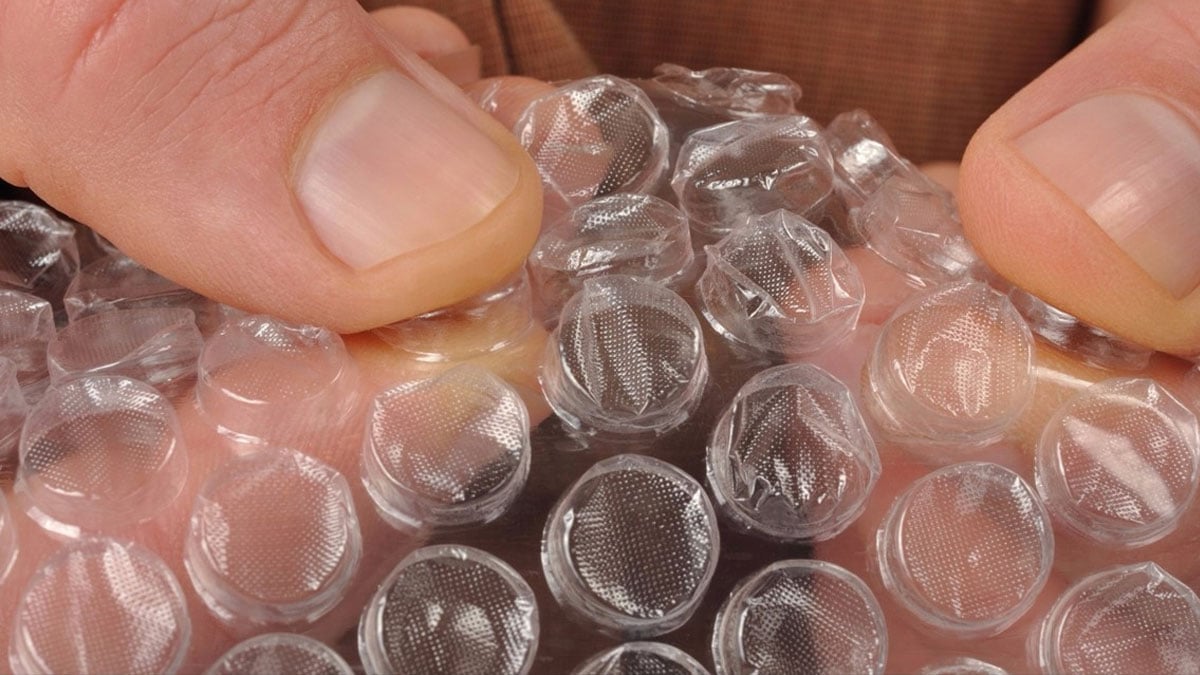
Most people have experienced it, spending a few moments pressing each bubble in bubble wrap until it pops.
Psychologists say there’s more to it than simple amusement. Repetitive activities that combine touch, sound and instant feedback can activate psychological processes linked to relaxation, attention and reward. Popping bubble wrap reflects how the human brain responds to predictable sensory experiences and small moments of accomplishment.
Sensory Processing
One explanation comes from research on sensory processing. Our brains constantly interpret information through touch, hearing and vision. Bubble wrap stimulates all three senses simultaneously.
Because the brain receives immediate sensory feedback, the activity becomes highly engaging. For many people, these predictable sensations create a calming effect.
The Brain’s Reward System
Psychologists have found that even small successes can activate the brain’s reward system. Every popped bubble creates a tiny sense of completion, providing instant feedback that can make the activity feel rewarding. This rapid cycle of action and reward encourages many people to keep popping.
Stress Relief Through Repetition
Research also suggests that repetitive physical activities may help regulate stress and improve focus. Simple actions such as squeezing a stress ball, knitting, doodling or gently tapping your fingers can create a soothing rhythm.
Popping bubble wrap works in a similar way. The repetitive movement and predictable outcome may temporarily reduce tension and help some people feel more relaxed.
Curiosity Encourages Exploration
Psychologist Daniel Berlyne proposed that humans are naturally driven by curiosity. Even though people know exactly what will happen when they press a bubble, each pop still creates a brief moment of anticipation followed by immediate confirmation. The brain enjoys exploring predictable cause-and-effect relationships, making the experience unexpectedly engaging.
The Importance of Play in Adulthood
Many people associate play with childhood, but psychologists argue that it remains important throughout adult life. Research on Play Theory, including the work of psychiatrist Stuart Brown, suggests that playful activities continue to support emotional well-being, creativity and resilience.
Alzheimer’s drug shows promise in repairing brain cell DNA
Play doesn’t always involve toys or games. Small, enjoyable activities—such as popping bubble wrap—can provide a brief mental break, reduce stress and boost positive emotions during a busy day.
Intrinsic Motivation
Another explanation comes from Self-Determination Theory, developed by psychologists Edward Deci and Richard Ryan. The theory suggests that people naturally engage in activities they find enjoyable, even when there is no external reward.
Popping bubble wrap offers a simple form of intrinsic motivation. People continue doing it not because they have to, but because the activity itself is satisfying. The combination of sensory stimulation, instant feedback and a sense of completion makes it enjoyable for many adults.
Why It Feels So Satisfying
While popping bubble wrap may seem like a trivial habit, psychology suggests it taps into several fundamental aspects of human behaviour. It engages the senses, activates the brain’s reward system, encourages curiosity, promotes play and offers a brief escape from everyday stress.
So the next time you find yourself unable to resist popping every last bubble, you’re not just passing the time—you’re experiencing a small but fascinating example of how the human mind responds to simple pleasures.