
Robots improve drug tests for catching lurking cancer cells
- By Reuters -
- Jun 18, 2026


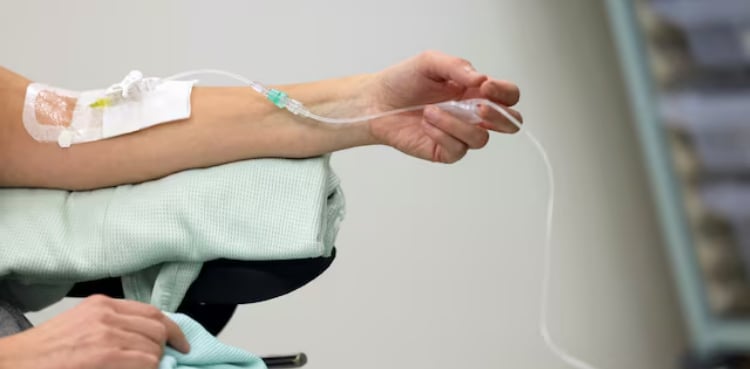
Researchers are using robots to help find and kill cancer cells that survive after treatment, potentially speeding identification of more effective therapies that can delay or prevent disease recurrence.
Such “persister” cells are rare – as few as one in a thousand tumor cells — and difficult to identify, but they can seed cancer recurrences.
Working with lung cancer samples, the researchers identified nearly 10,000 cellular variations that could help a cancer cell “escape” the effects of treatment.
They wanted to test varying dosages of drugs that had already been flagged as potential treatments for persistent lung cancer cells, but the tests would have required 10,000 week-long experiments.
Instead, they built a robotic platform, with thousands of miniature tumors sitting in laboratory dishes inside controlled incubators. The robot arm moved the dishes between experimental stations.
Nine of 94 tested drugs consistently showed some efficacy, suggesting that persister cells may share common vulnerabilities even if they emerged in patients receiving different drugs, the researchers said in a report published in Science Advances.
“We expected each tumor to behave as its own special case,” senior study author Steve Altschuler of UC San Francisco said in a statement.
“Instead, we found patterns that held up across many different samples, suggesting there may be underlying rules that can help predict which therapies are most likely to work.”
ARTERY-BLOCKING INJECTIONS EASE KNEE ARTHRITIS
In severe knee osteoarthritis, blocking abnormal blood vessels with a gelatin-based substance provides significant, lasting pain relief and functional improvement, according to data from a German study.
In an arthritic knee, abnormal vessels build up around the joint and drive inflammation and pain. Performing a procedure known as genicular artery embolization (GAE), a radiologist guides a thin catheter directly to each affected vessel and injects tiny particles to block it, calming the inflammation and easing the pain without surgery.
“For many patients with knee osteoarthritis, there is a real treatment gap today,” study leader Dr. Florian Nima Fleckenstein of Charité – Universitätsmedizin Berlin said in a statement.
“Conservative measures such as intra-articular injections no longer provide sufficient relief, but joint replacement is not an option for medical or personal reasons,” he explained.
At a hospital in Germany, 114 women and 80 men whose osteoarthritis-related knee pain had not responded to at least three months of standard treatment underwent GAE, including 45 who had the procedure in both knees.
On the Numeric Rating Scale (a 0-to-10 measure of pain intensity), scores dropped from 7 at baseline to 4 at six weeks and to 3 at follow-ups of six and 12 months, according to a report in Radiology.
At 12 months, other osteoarthritis-related symptoms and quality of life also showed significant, clinically meaningful improvements.
“We believe these results carry real weight because they come from real-world data,” Fleckenstein said. “Our participants are exactly the patients that physicians encounter every day in their practices.”