
Cement Rate in Pakistan Today - June 20, 2026
- By Fahad Ali -
- Jun 20, 2026


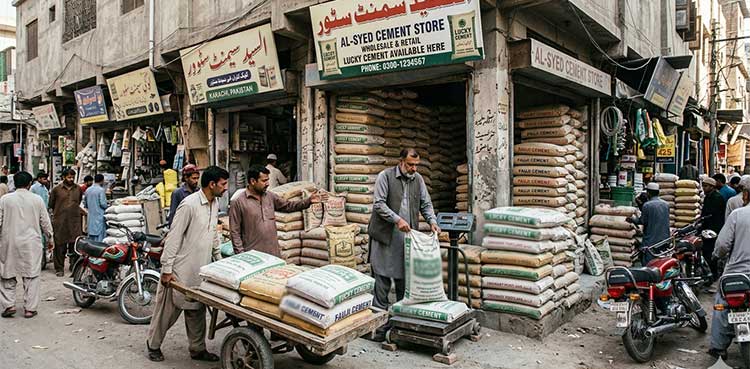
KARACHI- June 20, 2026: Cement prices in Pakistan hovered between Rs. 1,500 and Rs. 1,610 for a standard 50kg bag, but there’s a lot of range depending on the brand. Top-tier names are usually selling for about Rs. 1,475 to Rs. 1,505.
If you’re looking for something mid-range, medium quality brands offer cement between Rs. 1,410 and Rs. 1,435. The cheapest options come in a little lower, close to Rs. 1,380 to Rs. 1,405 per bag.
White Cement, always pricier, sits in its own category—Rs. 2,250 to Rs. 2,350 for a 40kg bag at the moment. So, for anyone in construction, getting a grip on these price bands and what’s driving them is key for keeping your budget on track.
Fuel and transport costs hit cement prices hard. Petrol handles the lighter jobs, but when you need to haul tons of cement, it’s diesel that does all the work. In the middle of 2026, diesel prices saw a huge spike during Iran war.
Each time diesel climbs, so do cement prices, since shipping gets more expensive and manufacturers just hand those extra costs straight to buyers. With prices recently steadying, though, transport costs have settled down a bit, which has helped keep cement prices from shooting up—at least for now.
But it’s not just fuel. Making cement chews through energy, and factories in Pakistan run mainly on imported coal. Energy can eat up about 60% of a cement maker’s costs, so if coal prices jump or new taxes hit imports, the cost per bag heads north. Add to that the currency swings—when the Rupee drops against the dollar, buyers pay more for coal and spare parts, and those hikes trickle straight down to the customer.
The sector faces a stack of federal and provincial taxes—sales tax, withholding, toll manufacturing fees. Each layer tacks on more to the retail price, and industry leaders keep pressing the government to lighten the load so people can actually afford to build homes.
Lately, demand for cement has softened. Dispatches dropped more than 21% over the past year. Between expensive projects and shaky economic conditions, there’s less appetite for new construction. That slump keeps manufacturers from raising prices too fast—they can’t risk losing more customers in a slow market.