
CJP orders withdrawal of Supreme Court austerity measures
- By Raja Mohsin Ijaz -
- Jun 12, 2026


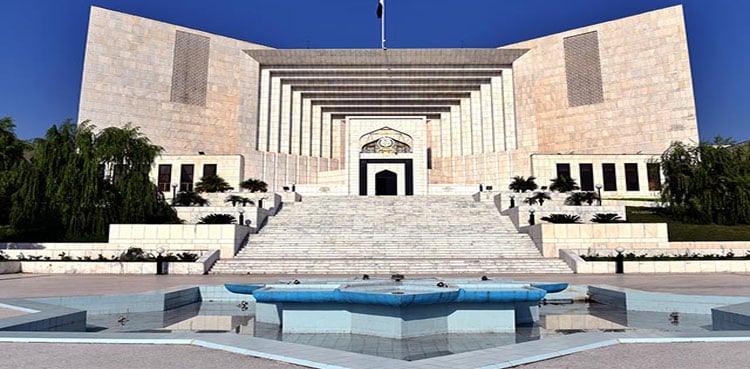
The Chief Justice of Pakistan (CJP) Justice Yahya Afridi has ordered the discontinuation of austerity measures previously implemented in the Supreme Court, with the policy set to formally end from 15 June 2026.
Supreme Court of Pakistan austerity measures included a four-day workweek (Monday to Thursday), a 50% reduction in petroleum fuel allocations for official vehicles, and restricted protocols for judges. To sustain access to justice, courts prioritize video-link hearings, though Friday dockets are strictly limited to urgent matters.
According to an official notification, the austerity-related directive issued on 10 March 2026 has been withdrawn.
The notification states that the Supreme Court’s austerity policy will cease to be effective from 15 June 2026, following the Chief Justice’s approval.
As a result, all administrative and operational affairs of the Supreme Court will resume under normal procedures from 15 June, with court functions returning to routine operations.
Earlier, the Senate of Pakistan returned Rs1.436 billion to the national exchequer after implementing a wide-ranging austerity and expenditure rationalisation drive under the directions of Chairman Senate Syed Yousaf Raza Gilani.
According to an official statement, the savings exceed the target set by the Finance Division by 500 percent and account for 15.9 percent of the Senate’s total budget for the fiscal year 2025–26.
The austerity measures were initiated by the chairman from his own office and later extended across the Senate Secretariat. A comprehensive framework of expenditure controls and efficiency reforms was introduced to institutionalise financial discipline.
One of the key measures included the suspension of 17 out of 18 procurement projects previously approved by the Senate Finance Committee, resulting in immediate and substantial savings. Recruitment and other non-essential expenditures were rationalised, administrative overheads reduced, and operational expenses placed under strict review.