
El Nino weather pattern underway as global ocean heat hits new peak
- By Web Desk -
- Jul 01, 2026


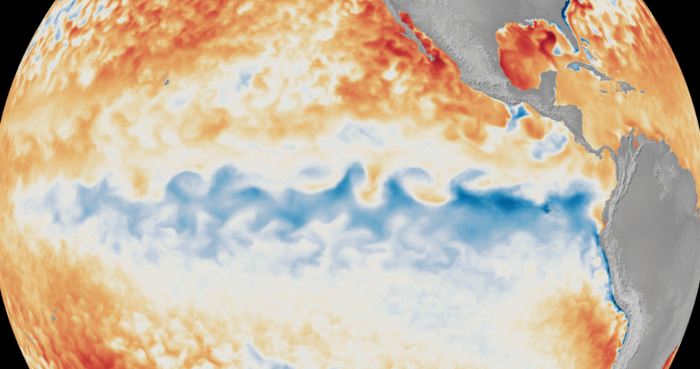
Global ocean temperatures have reached record highs for this time of year, as a super El Nino begins, raising concerns among scientists about potential extreme weather and stress on marine ecosystems.
Data from the Copernicus Climate Change Service shows that the average ocean temperature outside polar areas reached a record high of 20.86°C last month, surpassing the previous June peak of 20.83°C recorded in 2024.
The rising temperatures align with NASA satellite data confirming the onset of a strong El Nino event, marked by much warmer-than-average sea surface temperatures in the tropical Pacific.
Carlo Buontempo, head of the Copernicus Climate Change Service, cautioned that these conditions might signal the start of a new, unpredictable phase. With ocean temperatures reaching record highs and El Nino developing, experts anticipate more global temperature records being broken soon.
These warming seas have wide-ranging effects: they keep the atmosphere warmer for longer, intensify storms, and increase evaporation. This heightens the risk of extreme rainfall, flooding, and severe heatwaves. Additionally, warmer oceans accelerate ice melt, raise sea levels, and place significant stress on vulnerable marine ecosystems.
Professor Simon Tett, who holds the chair in earth system dynamics at the University of Edinburgh, stated that rising temperatures are expected. He explained that increasing carbon dioxide from fossil fuel combustion directly traps heat, leading to higher ocean temperatures.
Tett also mentioned that, in addition to human-induced warming, a developing El Niño could contribute to the warming. The effects are already apparent globally, with a recent severe marine heat wave in parts of Europe, where western Mediterranean Sea temperatures reached up to six degrees Celsius above average.
Meteorologists warn that this year’s El Nino might rival the powerful 1997-1998 event, which set global temperature records. Grahame Madge from the Met Office noted that this could be one of the strongest El Niño events of the century.
READ MORE: Antarctica dinosaur fossil identified as rare titanosaur after 40 years
The phenomenon is expected to initiate widespread climate disruptions, including wetter conditions in the American Southwest and severe droughts across the western Pacific. For Europe and the UK, climate data analysts alert that the intensifying pattern increases the likelihood of overly hot summers in both 2026 and 2027.