
US consumers, businesses squeezed by inflation, Fed survey shows
- By Reuters -
- Jun 04, 2026


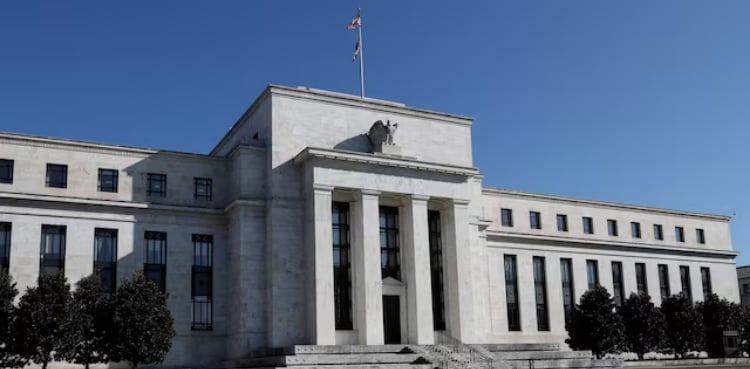
Federal Reserve Chairman Kevin Warsh inherits an economy still riding an investment boom but showing signs of consumer strain, weak hiring and rising prices, according to reports from his colleagues that will frame his debut meeting in two weeks as the head of the US central bank.
“Business outlooks for the next six months were reported to have little change in anticipated growth, as elevated uncertainty and signs of weakening consumer spending weighed on sentiment,” the Federal Reserve said on Wednesday in its latest “Beige Book” report, a roundup of qualitative economic data from across the country that policymakers use to help inform their understanding of the economy and their policy decisions.
“Districts noted that energy-related costs tied to the conflict in the Middle East were the primary driver of inflationary pressures, with spillovers into shipping, packaging, groceries, and fertilizer,” it said.
Whatever the long-term impact, the fallout from the oil shock is becoming clear, with the report showing consumers shifting towards purchases of hybrid cars and including a warning about limited supplies of apples in New York state because fertilizer had become too expensive to use.
One contact told the Kansas City Federal Reserve that “middle-income households are squeezing more life out of every dollar before deciding to spend it.”
SOME YOUNG WORKERS FACING PROBLEMS
Warsh replaced Jerome Powell as Federal Reserve chief in late May just as many central bank policymakers were starting to get more nervous about inflation, which has reaccelerated in recent months, in part due to the U.S.-backed war with Iran. Inflation has been above the Fed’s 2% target for more than five years.
The sense within the central bank, based on public comments from policymakers as well as the minutes from its April 28-29 meeting, has shifted away from a shared expectation for an interest rate cut later this year to a growing feeling that a long hold at the current rate setting, or even a hike in borrowing costs, may be in order.
Inflation by the Fed’s targeted measure jumped to 3.8% in April from 3.5% in March, while the labor market, which looked to be faltering last year as the Federal Reserve cut rates in response, has appeared to stabilize. Economists polled by Reuters expect the unemployment rate to remain at 4.3% when the U.S. government releases its jobs report for May on Friday.
President Donald Trump picked Warsh on the explicit expectation that he would cut rates, but has backed off his demand that it be done immediately due to the recent surge in gasoline prices.
The accounts in the latest Beige Book may add weight to the arguments within the Federal Reserve against cutting the policy rate, which the central bank has held in the 3.50%-3.75% range so far this year.
Warsh could be counting on the artificial intelligence revolution to lower inflation, but for now at least, prices are still rising, while use of AI seems to have slowed hiring for early-career workers, according to reports from severalFederal Reserve districts.
The Minneapolis Fed reported its monthly survey showed that a third of companies increased prices in April from the prior month, and a “majority of firms reported that their average non-labor input prices had increased by more than 2% in the previous two months, with a quarter reporting increases of more than 5%.”
An employment agency in upstate New York “noted a surplus of entry-level workers on the market,” while a technical staffing agency in the New York City area reported that “hiring processes had become extended, with candidates going through several months and multiple rounds of interviews before being hired,” according to the New York Fed.