
Hafiz Naeem criticises FBR over officials’ perks, free petrol
- By Hamid Ur Rehman -
- Aug 11, 2026


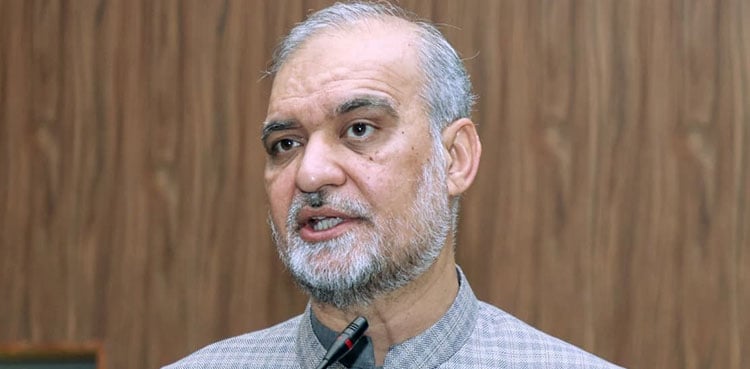
KARACHI: Jamaat-e-Islami (JI) Pakistan chief Hafiz Naeemur Rehman on Tuesday strongly criticised the Federal Board of Revenue (FBR), accusing the tax authority of providing officials with luxury vehicles and free petrol while failing to collect taxes from wealthy landlords.
Addressing a press conference at Idara Noor-e-Haq in Karachi, Hafiz Naeem said FBR officials were provided with expensive vehicles and free fuel.
He said the current government had collected Rs1.9 trillion in levies from the public in one year, adding that ordinary citizens and students were bearing the burden of the increased charges.
“The government raises levy prices as if it owns the country,” he said.
“You have committed theft; this is corruption, yet you ask how fuel costs can be reduced,” he said.
Hafiz Naeem said that a particular segment of society enjoyed extensive privileges while ordinary citizens continued to face difficulties.
The JI chief also criticised the FBR and the government for what he described as their failure to collect taxes from major landlords.
He said the poor were ultimately bearing the burden of the government’s alleged incompetence.
Speaking about the political system, he said governments had not been formed according to the public mandate, citing the local government elections in Karachi.
He said ignoring the will of the people would lead to a crisis of confidence in the system.
Read more: Petrol price in Pakistan for August 11, 2026
“If the will of the people is not respected, the system will ultimately fail,” Hafiz Naeem said, adding that merely acknowledging the problem would not be enough.
He called for fundamental changes to the existing system and said the Constitution must be given priority for any political system to function properly.
“There is no other way forward except putting the Constitution first,” he said
The JI chief said merely making changes at the administrative level would not resolve the country’s problems, calling for fundamental reforms to the system.